

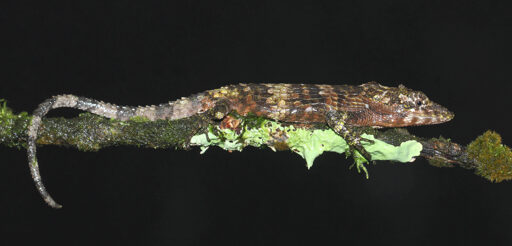
COLOMBO — In Sri Lanka, agamid lizard species are growing increasingly vulnerable due to three main factors: shrinking habitats, climate change and being traded as exotic pets. The Indian Ocean island is home to more than 20 species of agamid lizards and shows exceptionally high endemism with more than two-thirds of them found nowhere else on Earth. Sri Lanka’s wet zone forests and mountain ranges are their home, where they now face threats from extensive habitat loss. Add to this situation the increasing threat of being smuggled out of the island to be traded as exotic species, and the story of Sri Lankan agamids turn bleak. In March 2025, a study highlighted that more than 40% of agamids’ most critical habitats remain unprotected in the island country. The paper, published in Integrative Conservation, indicates that agamid hotspots are primarily concentrated in the island’s wet zone, especially Sinharaja Forest Reserve, the Peak Wilderness Sanctuary and the Dumbara (or Knuckles) Mountain Range. The research states that these unprotected areas are vital for species with tiny ranges, such as Cophotis lizards. Images suggested on Instagram with the search word ‘Cophotis dumbara’. Image via Instagram. Agamid lizards in Sri Lanka are both threatened and evolutionarily distinct, with 19 of 22 species endemic to the island, says the study, which assessed the distribution of 14 threatened agamid lizard species using species distribution modeling (SDM). The generated distribution maps have been used to identify highly diverse target areas for agamid conservation, both within and outside protected…This article was originally published on Mongabay
From Conservation news via This RSS Feed.