

An analysis of PFAS at Kahuku Training Area, Makua Military Reservation, and Kawailoa-Poamoho Training Area
By Pat Elder, Military Poisons, January 28, 2026
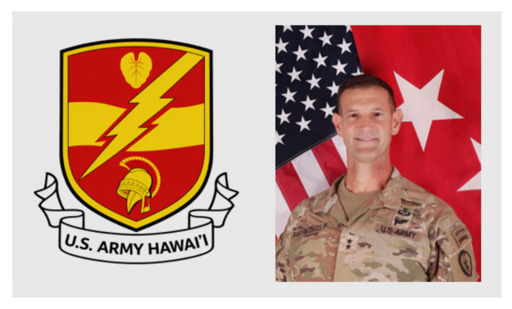
U.S. Army Hawaiʻi has responsibility for training activities on Oʻahu, including those conducted on state-leased lands. Major General James (Jay) Bartholomees III is the Senior Commander for U.S. Army Garrison Hawaiʻi.
On August 3, 2025, the U.S. Army signed a legally binding Record of Decision governing the future of its leased training lands on Oʻahu. Under the decision, the Army announced it will relinquish 4,390 acres at the Kawailoa–Poamoho Training Area and 782 acres at the Mākua Military Reservation, while retaining approximately 450 acres of the 1,150 acres currently leased at the Kahuku Training Area. In total, the Army will return 5,872 acres of state land, long used by Army units and other military entities—including the U.S. Marine Corps and the Hawaiʻi Army National Guard—marking a significant contraction of the military footprint on the island.
The legally binding Record of Decision has not been reported by the media in Hawaii.
The Army appears to be pursuing a single, integrated strategy designed to preserve what it values most while quietly shedding land that has become politically and operationally costly. Its decision not to renew leases at Mākua Military Reservation and Kawailoa–Pōamoho Training Area, combined with plans to reduce the footprint at Kahuku Training Area, reflects a deliberate consolidation rather than a genuine retreat.
On Oʻahu, the Army’s training areas have long been a source of conflict. Decades of litigation, cultural access disputes, wildfire risks, and unexploded ordnance have hardened local opposition. Persistent and unresolved contamination—particularly PFAS—has further undermined any credible claim that continued military use is compatible with public safety or environmental protection. Community groups and environmental organizations have applied sustained pressure, and from the Army’s perspective, the political cost of maintaining these leases now outweighs their training value.
That reality was brought into sharp focus by the rejection of the Army’s poorly executed Final Environmental Impact Statements for both the Pōhakuloa Training Area and the Oʻahu training lands. While the outcome should not have come as a surprise, it clearly unsettled Army leadership, signaling that the longstanding practice of minimizing impacts and deferring accountability is no longer being accepted at face value.
READ THE REST AT MILITARY POISONS.
The post How the U.S. Army Is Poisoning Hawaii Forever appeared first on World BEYOND War.
From World BEYOND War via This RSS Feed.
You must log in or # to comment.
At mākua they went around last summer and out up signs about unexploded munitions, but not even in the base. Like off the base near pray for sex.
