

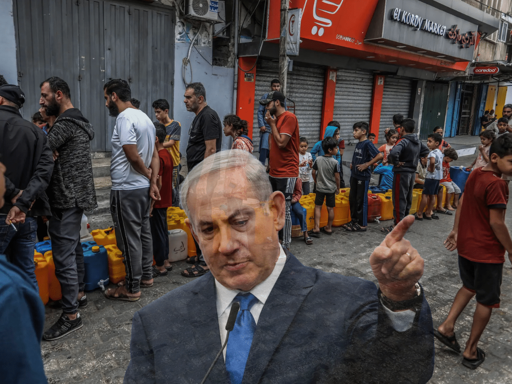

Gaza’s municipality is warning that more than 85 percent of the city has been without water for the eighth consecutive day. Meanwhile, Israel continues to flatten vital facilities. The crisis is centred on water in Gaza. The Palestinian Water Authority has said that northern Gaza is the most affected in the strip.
Gaza’s water woes
In a press statement, the municipality said that the health and environmental situation had reached ‘catastrophic’ proportions. The decimation of sewage systems, as well as pumping stattions, and, not least, the closure of tunnels is drowning the city in raw waste and sewage discharge. In fact, Gaza water contamination is escalating with every passing day.
The number of functioning water wells has sharply declined. Only 24 wells are currently operating. Gaza’s inhabitants are without a water distribution system. In the north, 70 percent of facilities sustained long-term damage. Their recovery will not magically take place overnight, especially while indiscriminate Israeli air strikes are ongoing amid the Gaza water emergency.
The municipality added that the quantities of fuel available to operate water wells and sewage stations have become very limited. It issued a warning that the complete shutdown of these facilities will fuel epidemics and disease in densely populated areas and camps. This is a direct result of the persistent Gaza water crisis.
Israel’s genocidal violence has made everyday life difficult enough, and without sufficient and potable water, the occupying force continues to starve Palestinians of their basic needs. Water scarcity in Gaza now impacts almost every home.
Complain, sure, but who’ll listen?
The Gaza Municipality called on international and humanitarian bodies to shoulder their legal and moral responsibility for the situation. The municipality can parrot this plea. However, who will listen? The silence of the international community is no longer an exception to the norm but the norm itself. The Gaza water emergency is a ticking time bomb and is no accident. In fact, it ties up with Israel’s longstanding policy of depriving Palestinians of control over their water. Amnesty International calls this policy the “occupation of water”.
From a legal standpoint, depriving the civilian population of water and the targeting of infrastructure necessary to provide it, represents a serious violation of the Geneva Conventions. These Conventions prohibit attacks on water sources and sanitation facilities. An yet, water supplies in Gaza are still being weaponised.
When something as fundamental to human existence is taken away, international law is exposed as empty and betrays its very purpose. Ultimately, those living with Gaza water shortages are witnessing the collapse of basic rights.
Featured image via the Canary
By Alaa Shamali
From Canary via This RSS Feed.