

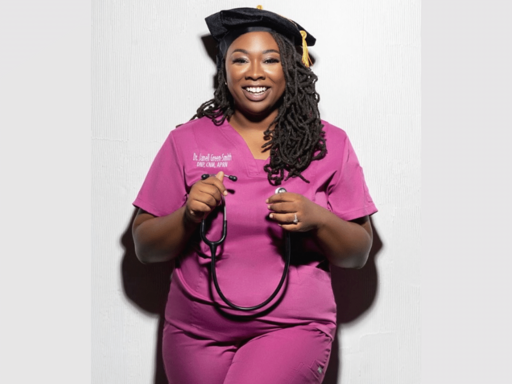

We live in a world where Black women who are ferocious advocates for better maternal care still die to medical negligence. On January 6th of 2026, Dr Janell Green Smith died while giving birth, leaving her newborn behind in South Carolina. She was a respected scholar and Black maternal health advocate who died from complications shortly after giving birth.
Her death shocked the maternal health community because she spent her career fighting to prevent the same outcome that killed her.
The American College of Nurse-Midwives described her death as:
Heartbreaking and unacceptable.
Her death is not an anomaly. It is part of a pattern where Black people are subject to racist medical negligence. And, it is part of the systemic failures in healthcare that disproportionately affect Black people.
Racism normalised as risk
Black women in the UK are four times more likely to die during pregnancy or childbirth than white women. Institutions repeatedly cite these figures, acknowledge them publicly, and then quietly normalise them. They rinse and repeat the figures, and nothing changes.
Each new death prompts statements of concern, promises of “learning lessons” and insistence that the system is improving.
Dr Green Smith was educated, aware, and an excellent advocate. Nothing about her approach to pregnancy was uninformed, passive, or disengaged. She understood the risks. She worked to reduce them. And, she couldn’t have been better aware. And still, she died.
This fact dismantles one of the most persistent myths surrounding maternal health inequalities. Awareness is not enough to protect Black women. It isn’t. The problem is not individual behaviour. It is institutional disregard.
When self-advocacy fails
Black women are often encouraged to speak up. They’re told the solution to medical racism is self-advocacy. Ask questions. Push harder. Be assertive. Educate yourself.
But what happens when the women doing all of that die anyway?
Dr Green Smith’s death exposes the brutal limits of this narrative. It reveals a health system that listens selectively, believes conditionally, and treats Black women’s pain as negotiable. A system in which even expertise does not guarantee safety and professional credibility does not override bias.
The issue extends beyond one doctor or one hospital. It reflects a culture that has repeatedly failed to translate data into protection and concern into accountability.
A system that absorbs tragedy without changing
Every maternal death inquiry speaks of “missed opportunities”.
AsMBRRACE-UK puts it:
For many women who died, there were clear opportunities for improvement in care that may have made a difference to the outcome.
Every report gestures towards reform. Yet Black women continue to die at rates that would trigger national emergencies if they affected any other demographic group.
That contradiction is not accidental. It reflects a hierarchy of urgency. One in which Black women’s lives are consistently deprioritised. Their deaths treated as tragic but tolerable losses within an overstretched system.
Dr Green Smith’s death should force a reckoning not just with outcomes, but with the deeper question many institutions refuse to confront: whose lives are the system designed to save first?
Until Black women can give birth without fear that negligence will be framed as inevitability, maternal justice in the UK remains an unfulfilled promise.
Featured image via Instagram
From Canary via This RSS Feed.