

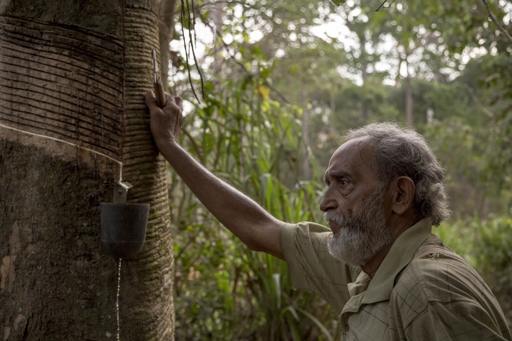
In the Chico Mendes Extractive Reserve, in Brazil’s western Amazon, daily life still depends on the forest. Families tap rubber, collect Brazil nuts, and manage small plots without clearing large areas. The reserve is named after Chico Mendes, the rubber tapper and labor leader murdered in 1988 for defending that way of life. More than three decades later, the logic he argued for — that forests are better protected when people can make a living from them — has returned to the center of Brazilian conservation policy. That shift is taking place within ARPA, the Amazon Region Protected Areas program. Created in 2002 by the Brazilian government and later backed by WWF and major donors, ARPA supports 120 protected areas covering more than 60 million hectares (148 million acres), an expanse roughly the size of Madagascar. Its early years focused on expanding protected areas and building a long-term financing structure. The results were tangible. Between 2008 and 2020, deforestation in ARPA-supported areas was significantly lower than in comparable regions, avoiding large volumes of carbon emissions. A new phase, ARPA Comunidades, reflects a change in emphasis, contributor Constance Malleret wrote for Mongabay. About half of the protected areas under ARPA are sustainable-use reserves, where people live and work inside the forest. Until now, these communities benefited indirectly from conservation spending. The new program aims to support them directly. “We were missing closer attention to the communities living in these sustainable-use conservation units,” said Fernanda Marques of FUNBIO, the Brazilian nonprofit that…This article was originally published on Mongabay
From Conservation news via This RSS Feed.