

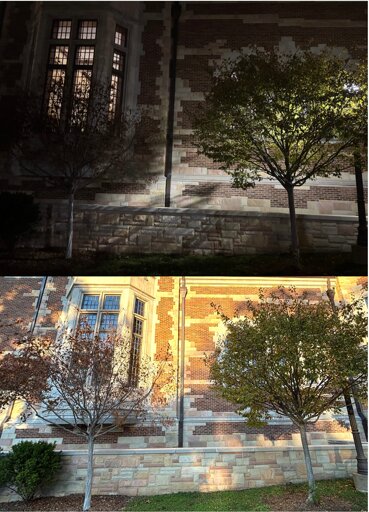
Artificial light at night extends pollen season and increases allergen exposure in Northeastern United States cities. Lin Meng and colleagues analyzed 12 years of pollen data from 12 monitoring stations across the Northeastern United States, combining measurements with satellite data on artificial light at night and climate records. The study is published in PNAS Nexus.
From Biology News - Evolution, Cell theory, Gene theory, Microbiology, Biotechnology via This RSS Feed.
You must log in or # to comment.