

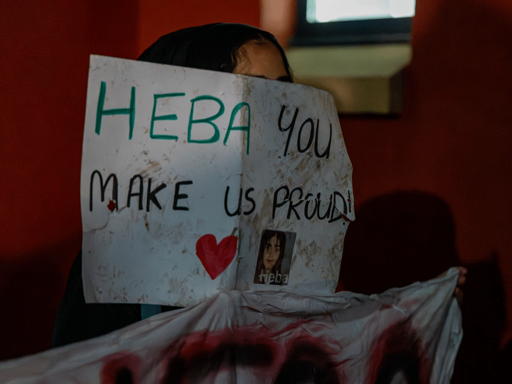

UK political prisoners Heba Muraisi and Kamran Ahmed were close to death after more than two months on hunger strike. But on 15 January, following several developments, their strike ended. Their ordeal, however, is far from over.
One fellow captive, meanwhile, is still on hunger strike, having begun again following a pause on 10 January.
Concerns remain
One symbolic announcement that coincided with the end of Muraisi and Ahmed’s hunger strike was the UK government’s decision not to award a £2bn contract to Israeli weapons dealer Elbit Systems. The army training deal instead went to Raytheon UK, which also sells arms to Israel.
A key reason for not giving the contract to Elbit was apparently a breach of ‘business procurement protocols’, with “a former senior British army officer” allegedly providing the company information during the bidding process. Elsewhere, the firm is also facing corruption allegations.
Other developments included: the acceptance of Muraisi’s request to transfer from a prison in Wakefield to one in Surrey; a potential “meeting between representatives of the hunger strikers and the national heads of prison healthcare”; hundreds of people signing up in recent weeks “to take direct action against weapons firms” with links to Israel’s crimes in Gaza.
Despite the above, however, families and doctors continue to express concern over the medical management of Muraisi and Ahmed’s re-feeding process. This needs careful specialist attention, but there have been complaints of insufficient monitoring and prison authorities overruling medical advice. Communication, meanwhile, has been poor.
Umer Khalid’s hunger strike continues
A press release states that Umer Khalid has:
suffered severe mistreatment at the hands of the prison since being held on remand in July 2025
He suffers from Limb-Girdle Musclar Dystrophy, a rare genetic disorder that “severely increases the risks” of his hunger strike. If the government keeps refusing to meet to discuss his situation, he plans to start a thirst strike in five days’ time. Going without water is much more problematic than going without food.
Prisoners for Palestine says Khalid has regularly faced:
violent abuse by the prison, namely the abuse and denial of his religious and welfare rights.
Prison officers have allegedly been:
physically assaulting him, putting him in solitary confinement, cutting off his clothes and strip searching him for giving the call to prayer.
A friend of Khalid’s spoke about how sad it is to see that:
someone you love and care for so deeply feels as though they have no other options left
No conviction, but the controversial detention goes on
The UK’s normal pre-trial detention limit is six months. But because the government decided to label political prisoners as ‘terrorists’ if they allegedly took non-violent direct action via Palestine Action, many have already spent several months beyond this limit in prison. So far, the state has convicted none of these captives of a crime.
Featured image via the Canary/Barold
By Ed Sykes
From Canary via This RSS Feed.