

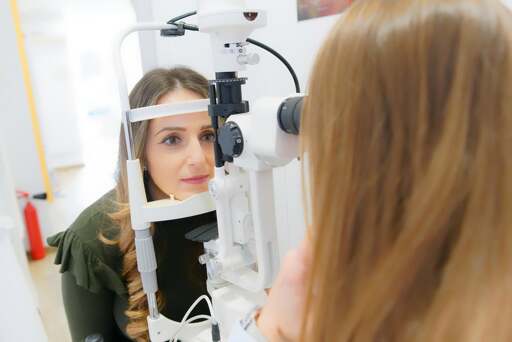

Eye health rarely gets urgent attention until something feels wrong. Vision often changes gradually, making it easy to adjust without noticing that a problem is developing. In the UK, where daily life is increasingly digital and fast paced, this quiet progression makes routine eye checks more important than ever.
Regular eye examinations are no longer just about updating prescriptions. They play a wider role in protecting long-term vision, identifying early signs of health conditions, and supporting overall wellbeing. With eye care services widely available, routine checks are one of the simplest preventative steps people can take.
How can early eye checks protect your sight?
A lot of eye problems creep up on you; no pain, no clear warning. By the time you notice something’s off, the damage can be pretty far along. That’s why regular eye exams matter so much. Optometrists catch things like glaucoma, macular degeneration, and diabetic eye disease before you even know there’s a problem. These conditions usually move quietly, so catching them early really makes a difference.
Early identification allows for:
- Timely treatment that can slow or prevent vision loss
- Monitoring of gradual changes over time
- Better outcomes through early intervention
When issues are detected early, the chances of preserving good vision are significantly higher.
Why do eye tests help detect wider health issues?
Your eyes tell a bigger story than most people realize. When you get an eye exam, the optometrist isn’t just checking how well you see; they’re looking at blood vessels, nerves, and tissues that can actually show early signs of bigger health issues.
Sometimes, things like diabetes, high blood pressure, or heart problems leave their first clues in your eyes, even before you feel anything wrong anywhere else. That’s why regular eye exams matter for your whole health, not just your eyesight.
How is modern digital life affecting eye health in the UK?
Screen use has become unavoidable. Work, communication, entertainment, and even healthcare increasingly rely on digital devices. This shift has changed how the eyes are used throughout the day.
Prolonged screen time often leads to:
- Eye strain and fatigue
- Dryness caused by reduced blinking
- Headaches and blurred vision
These symptoms may seem minor at first, but when experienced daily, they can affect productivity and comfort. Regular eye checks help assess how digital habits are impacting vision and whether adjustments are needed.
Why does digital eye strain often go unnoticed?
Digital eye strain builds gradually. People adapt by squinting, leaning closer to screens, or taking more frequent breaks without recognising the underlying cause.
Eye examinations help identify whether symptoms are linked to:
- Uncorrected vision issues
- Screen-related strain
- Environmental factors such as lighting or posture
Addressing these issues early helps prevent long-term discomfort and supports healthier screen use habits.
How often should people in the UK have their eyes checked?
For most adults, eye examinations are recommended every two years. However, some individuals may need more frequent checks depending on age, medical history, or existing conditions.
More regular checks may be advised for:
- People with diabetes
- Those with a family history of eye disease
- Adults over a certain age
- Individuals experiencing frequent eye strain
Following professional guidance ensures eye health is monitored appropriately rather than reactively.
Why is accessibility to eye care an advantage in the UK?
One of the strengths of eye care in the UK is accessibility. NHS support and private providers make routine eye checks straightforward for many people.
This ease of access means that preventative care does not require complex planning. Booking a free eye test can be a simple step toward protecting vision, especially for those eligible through NHS schemes or participating providers.
When eye care is accessible, there is little reason to delay routine checks.
How do regular eye checks support long-term wellbeing?
Honestly, people don’t always notice just how much good vision shapes their everyday lives. Reading, driving, working, even just hanging out with friends — clear eyesight gives you freedom and confidence in all of it.
Regular eye exams do more than keep your prescription up to date. They help you see clearly, cut down on eye strain, and keep you comfortable. Plus, they make it easier to move around safely and stay aware of what’s going on around you.
When your vision’s steady, it’s just easier to take on the day and feel connected to what you’re doing.
Why do people postpone eye tests despite the benefits?
Many delay eye checks because they feel their vision is “good enough.” Others assume problems will be obvious if something is wrong.
Common reasons for postponement include:
- Lack of noticeable symptoms
- Busy schedules
- Underestimating the importance of preventative care
Unfortunately, these delays can allow issues to progress unnoticed. Routine checks remove guesswork by providing reassurance or early intervention when needed.
How do eye checks benefit children and young adults?
Vision changes are not limited to older age groups. Children and young adults also experience shifts, especially with increased screen use and academic demands.
Regular checks help:
- Support learning and concentration
- Identify early vision issues that affect reading or focus
- Establish healthy eye care habits early
Early monitoring helps ensure visual development stays on track.
What role do eye checks play as people age?
Getting older means your eyes need a bit more attention. Vision changes sneak up on you, and it’s easy to miss the signs if you’re not paying attention. That’s why regular eye exams matter so much.
When you see your eye doctor on a regular basis, you catch those slow vision shifts before they mess with your daily life. You spot age-related problems early, like cataracts or glaucoma, which means you can do something about them before they get serious. Plus, keeping up with your eye health helps you stay independent and keep doing the things you love.
Bottom line: checking in with your eye doctor gives you peace of mind and puts you in control of your health.
How can regular eye tests become a simple habit?
The easiest way to maintain eye health is to treat eye checks as routine, not optional.
Helpful habits include:
- Scheduling eye tests alongside other health appointments
- Responding early to changes in comfort or clarity
When eye care becomes part of normal health maintenance, problems are less likely to go unnoticed.
Conclusion
Regular eye checks matter more than ever in the UK due to modern digital lifestyles, longer screen exposure, and the silent nature of many eye conditions. They protect sight, support early detection of wider health issues, and contribute to overall wellbeing.
With accessible eye care services available, routine eye examinations are a practical and preventative step. Prioritising regular checks helps ensure that vision remains clear, comfortable, and protected for years to come.
From Canary via This RSS Feed.