

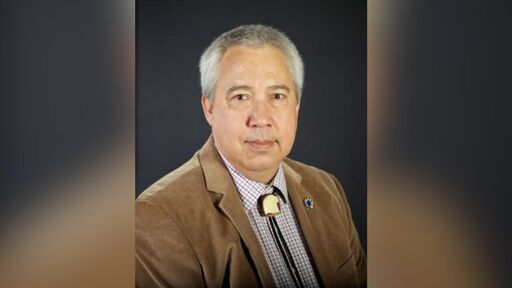

Chairman Tom Wooten
Samish Indian Nation
In 2026, the Samish Indian Nation marks 30 years since its federal re-recognition — three decades of rebuilding what was nearly erased. For our people, those 30 years represent far more than a legal milestone. They are a testament to resilience, sovereignty, and the generations who fought so that Samish citizens today can stand firmly in our identity and govern our future.
This anniversary is a celebration. But it is also a reminder and a call to action. Our ancestors and elders did the hardest work imaginable to regain recognition. Our responsibility now is to honor that effort with self-sufficiency and strength, especially in times that demand both.
Across the country, families are navigating rising health care costs, shrinking Supplemental Nutrition Assistance Program benefits, and growing economic pressures. For tribes without traditional gaming revenue, these challenges are amplified. Casino operations are often assumed to be central to tribal economic stability, but that has never been the Samish story. The Samish Indian Nation does not operate a casino. While we receive limited revenue from leasing machine permits, it is not comparable to the financial benefits of owning and operating a casino. As a result, our nation has had to design a different path, one rooted in resourcefulness, cultural grounding, and a long-term view of sovereignty.
Health insurance costs continue to climb, stretching families to their limit. Food insecurity is rising in Washington state and beyond, leaving too many households uncertain about their next meal. Federal safety net programs, though helpful, are increasingly volatile. In this environment, the work of taking care of our citizens cannot be outsourced to inconsistent systems or funding sources.
This is why the Samish approach to sovereignty prioritizes sustainable, diversified capacity rather than dependence on one economic source. It also emphasizes coordination across programs, allowing grants or investments in one area to amplify and support others. Ultimately, sovereignty is about ensuring resources can be aligned with the greatest need. Over the past three decades, Samish has invested intentionally in housing, enterprise development, environmental stewardship, workforce training, and culturally rooted education programs. Each of these areas contributes to a more stable and self-reliant Nation. Each helps us care for our people in meaningful, practical ways.
True sovereignty is not measured in revenue streams. It is measured in our ability to ensure that every Samish citizen can access healthcare, education, stability, and community. It is measured in the strength of our culture and the security of our future.
We are actively assessing how best to expand our health department to provide critical, high-priority services that ensure families can access care without financial strain or uncertainty. We are also bolstering our food sovereignty initiatives, with particular attention to families affected by recent SNAP reductions, ensuring they have reliable access to food each month. In addition, we continue to invest in the full spectrum of community wellness — from youth education and support for working families to enhanced services for elders whose guidance grounds and strengthens our nation.
These efforts do not replace the role of federal obligations — obligations that remain critical. But they do reflect a core Samish value: when possible, we care for our own.
As we look ahead to the next 30 years, our priorities remain clear. We will deepen sovereignty by continuing to diversify revenue and invest in programs that lift up every citizen. We will preserve and revitalize culture, language, and ecological stewardship, ensuring that future generations inherit more than what was reclaimed — they inherit what is thriving. We will strengthen systems of support so that Samish families feel stability even when the outside world is uncertain.
Recognition was never the finish line. It was the starting point for rebuilding Samish with intention, pride, and care.
As we honor three decades of restored federal recognition, we also honor the responsibility that comes with it: to uplift our people, steward our lands and waters, and build a future that reflects both who we are and who we aspire to be. The Samish path forward is rooted in unity, sustainability, and self-determination.
And as we step into the next 30 years, our message is simple: sovereignty is not just a legal status, it is a commitment to one another. The work continues, and so does our strength.
Tom Wooten is chairman of Samish Indian Nation.
This opinion-editorial essay does not reflect the views of ICT; voices in our opinion section represent a variety of reader points of view. If you would like to contribute an essay to ICT, email opinion@ictnews.organd jourdan@ictnews.org.
The post 30 years of recognition: Building self-sufficiency the Samish way appeared first on ICT.
From ICT via This RSS Feed.