

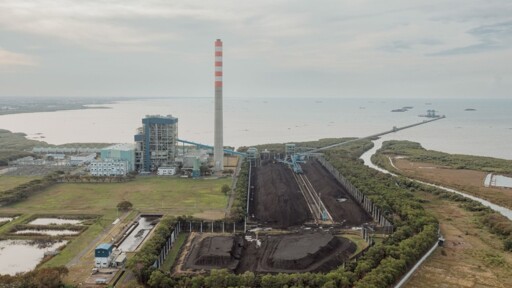
JAKARTA — The Indonesian government has scrapped a plan to retire a major coal-fired power plant, after having promised for years to do so. Airlangga Hartarto, the country’s chief economics minister, said in December that it would be unfeasible to shut down the 660-megawatt Cirebon-1 plant by 2035, which is seven years ahead of its scheduled end of operation. But energy analysts and civil society groups say the decision reflects deeper political and financial resistance to moving away from coal — resistance that could undermine Indonesia’s energy transition at a time when global climate finance is becoming harder to secure. The failure of the early retirement plan for Cirebon-1 exposes how government policies that continue to protect and subsidize coal make it costly to shut plants early, they warn, even as Indonesia seeks international funding to do so. Airlangga said the decision was “based on technical considerations,” arguing that the plant, which went into operation in 2012, is still relatively young and therefore has a long operating life ahead. He also said Cirebon-1 uses “relatively better” technology that results in lower emissions, making it a less suitable candidate for early retirement compared with older, dirtier coal plants. As such, he said, the government will focus on shutting down older units, where the environmental benefits would be greater. “We will look for an alternative — one that is older and whose environmental impacts clearly mean it should already be retired,” he said on Dec. 5, as quoted by state news agency…This article was originally published on Mongabay
From Conservation news via This RSS Feed.