


A Palestinian technocratic committee has been formed to administer the Gaza Strip. The committee is headed by Dr Ali Abdel Hamid Shaath. Its creation is part of the second phase of the US peace plan for Gaza, launched by US president Donald Trump. The stated aim is to stabilise the truce and improve humanitarian conditions.
The announcement followed consultations between Palestinian factions in Cairo. These talks focused on accelerating the shift from crisis management to a transitional civilian administration. According to Palestinian sources and international mediators, the new administration will be run by independent professionals. It will operate without party or factional representation.
The Gaza committee’s objectives and responsibilities
The committee includes Palestinian experts in public services and civil administration. The ceasefire will now move into a practical implementation phase.
Its responsibilities include:
- Managing civil and service affairs in Gaza
- Coordinating infrastructure reconstruction
- Improving basic services such as health, education, and energy
Mediators believe the body could help create temporary stability amid Gaza’s severe humanitarian conditions.
Phase II of Trump’s plan
The US envoy to the Middle East confirmed that Phase II of Trump’s Gaza plan has officially begun. This phase shifts from a ceasefire to technocratic administration and reconstruction. It also includes the dismantling of unauthorised weapons in the Strip.
The plan aims to turn a halt in fighting into long-term stability. It relies on structured mechanisms and international involvement.
Regional and international reactions
Egypt, Qatar, and Turkey welcomed the committee’s formation. They expressed hope it would strengthen stability and improve humanitarian conditions. In a joint statement issued from Cairo, the three states said the move paves the way for implementing the second ceasefire phase. They framed it as consistent with the US peace plan.
Other statements stressed the need for full implementation of the agreements. This includes reconstruction, humanitarian aid, and international support for the committee’s work.
Palestinian positions in Gaza
Several Palestinian factions backed the committee’s formation. They said technocratic administration offers a chance to rebuild institutions without political infighting.
Hamas confirmed it is willing to hand over administration during the transitional phase. Other factions raised concerns about linking the committee’s work to Palestinian legal authority.
Future challenges
Despite broad agreement, serious political and logistical challenges remain. These include the transfer of authority, relations with the Palestinian Authority, funding the committee, and delivering aid effectively.
The committee’s first meetings will take place in Cairo. Talks continue on how to implement the full second phase. The formation of the committee marks a turning point after the ceasefire. Political agreements are now being translated into civil administration.
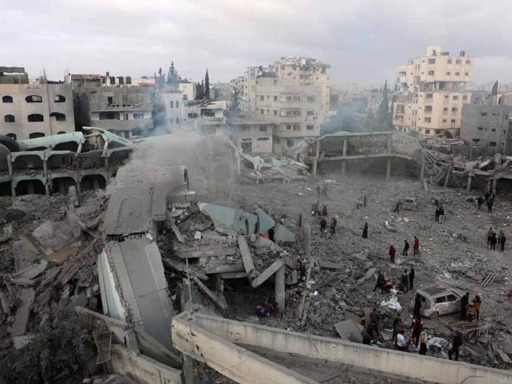
It is a step combining humanitarian, political, and regional dimensions. For Gaza’s people, it offers cautious hope after years of war and destruction.
Featured image via the Canary
By Alaa Shamali
From Canary via This RSS Feed.