

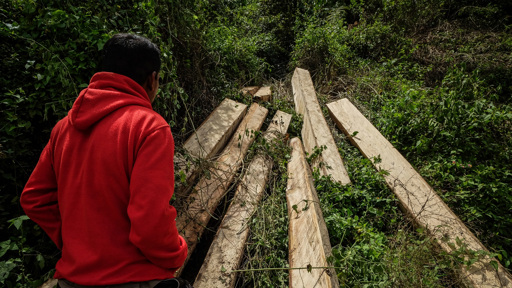
After years of uneven progress, deforestation in Indonesia is poised to accelerate, owing to widespread logging, expanding plantations and mining. In December, Indonesia’s forestry minister, Raja Juli Antoni, indicated the Southeast Asian nation had lost more forest during the first nine months of 2025 than the annual totals for any of the first three years of this decade. Gross deforestation in Indonesia in 2025 was on track to at least match 2024’s tally, which reflected the most extensive losses since 2019, Antoni told a parliamentary committee in December. As Indonesia pushes ahead with its Merauke Food Estate project, which involves clearing at least 2 million hectares (4.9 million acres) of forest in South Papua province, worries are mounting that Indonesia’s commodity exports may suffer if big markets like the EU force importers, including food-processing companies, to prove they are not buying palm oil and other products that have resulted from clearing rainforest. “The tragedy of this project [Merauke Food Estate] is that it is undermining Indonesia’s recent success in the battle to halt global deforestation,” Amanda Hurowitz, forest commodities lead at nonprofit Mighty Earth, told Mongabay. Dump trucks maneuver at Weda Bay Industrial Park in Indonesia’s North Maluku province in 2024. The Weda Bay Mine is now among the largest nickel mines in the world. Image by AP Photo/Achmad Ibrahim. Deforestation accelerates Indonesia’s deforestation slowed substantially during former President Joko Widodo’s second five-year term in office in part because of a moratorium on clearing forest for oil palm plantations following…This article was originally published on Mongabay
From Conservation news via This RSS Feed.