

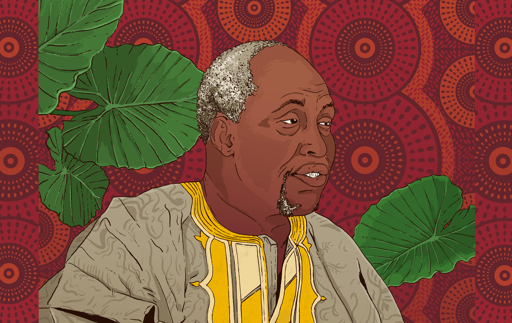
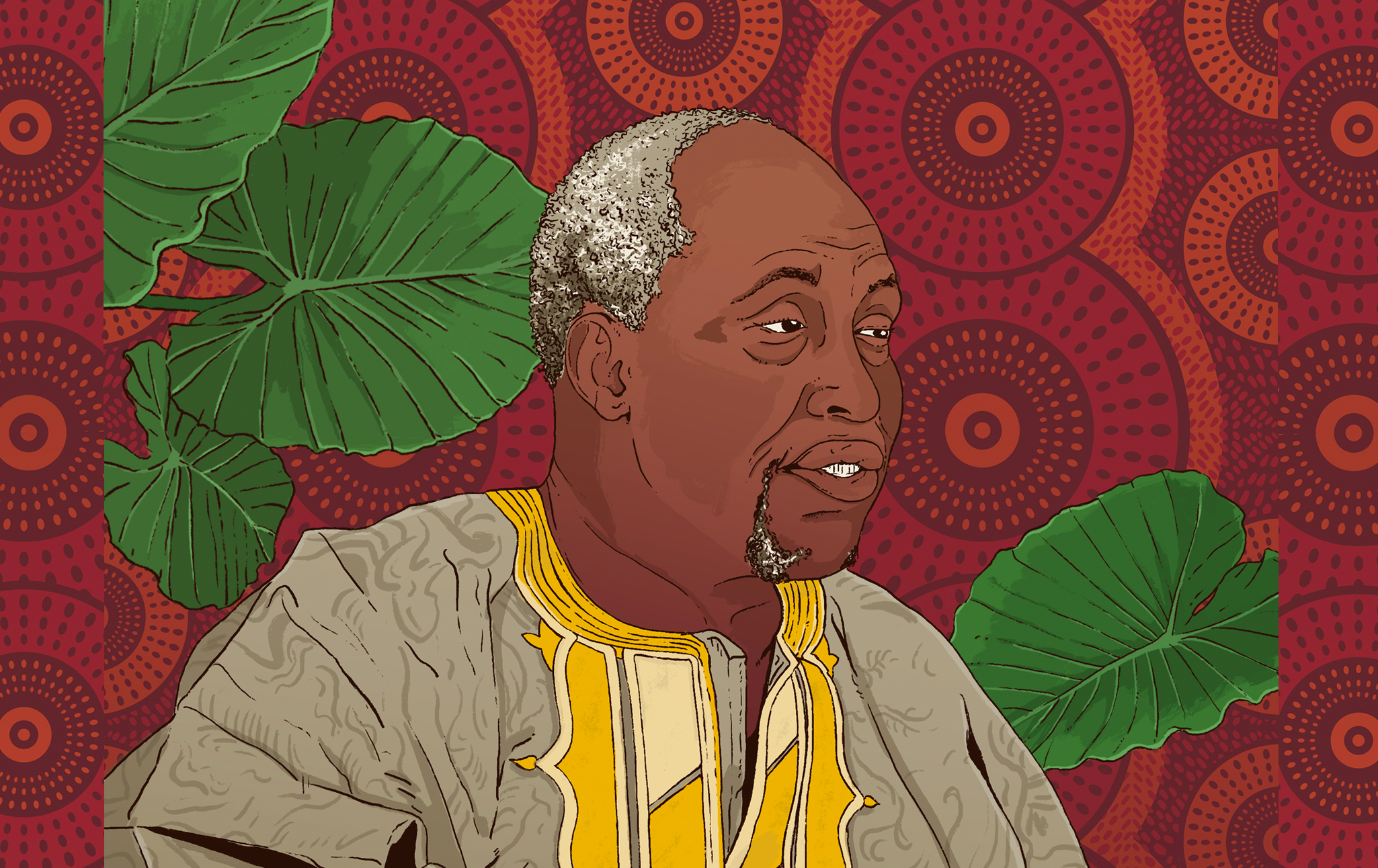
The BBC termed him a “giant of African literature.” In a Guardian obituary, Lyn Innes called Ngũgĩ wa Thiong’o “a founding father of African literature in English.” For the scholar Helon Habila he “belonged to an age of prophets,” and “we must honor his teaching.” For others, he “was not just a writer, he was a militant.” For his writing, Ngũgĩ received numerous awards. Yet the Nobel Prize in literature always eluded him, perhaps because of his unrelenting criticism of colonialism, neo-colonial imperialism, and the capitalist West. For the literary establishment he was a dangerous intellectual who was still bitter about colonialism and its aftereffects. He was often seen as a leading and deserving candidate for the Nobel Prize for literature; so much so that in 2010 many reporters gathered outside his home on the day of its announcement. When it became clear that the award had gone to Mario Vargas Llosa, Ngũgĩ “seemed much less disappointed than the reporters, whom he had to console.”

From blog via This RSS Feed.