

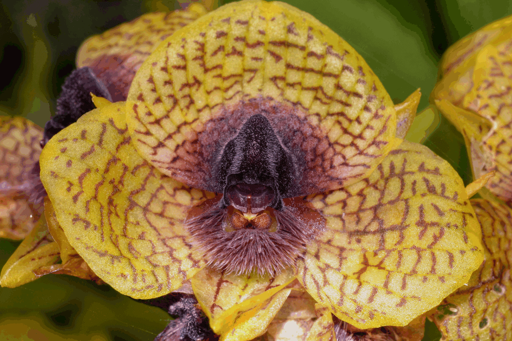
Over the past year, scientists at the Royal Botanic Gardens, Kew, in the U.K., officially named 125 plants and 65 fungi. The new-to-science species include a parasitic fungus that turns Brazilian spiders into “zombies,” a critically endangered orchid with blood-red markings from Ecuador’s cloud forests, and a shrub named after the fire demon from the 2004 Hayao Miyazaki film Howl’s Moving Castle. Each year, Kew releases a list of its “top 10” new plant and fungal species to showcase nature’s vast diversity, as well as its fragility, as many newly described species are already in danger. According to Kew’s “State of the World’s Plants and Fungi 2023” report, three out of four undescribed plants are threatened with extinction. One species described in 2025, Cryptacanthus ebo, a bromeliad from the Ebo Forest in Cameroon, may have already gone extinct. Each year, researchers worldwide officially name about 2,500 new plants and even more fungi. An estimated 100,000 plant species and between 2 million and 3 million fungal species remain to be described and named by science. Many of these unnamed fungi are endophytes that live entirely within plant tissues, making up the plants’ microbiomes. “Describing new plant and fungal species is essential at a time when the impacts of biodiversity loss and climate change accelerate before our eyes,” Martin Cheek, a senior research leader in Kew’s Africa team, said in a press release. “It is difficult to protect what we do not know, understand and have a scientific name for.” Although a species may be…This article was originally published on Mongabay
From Conservation news via This RSS Feed.