

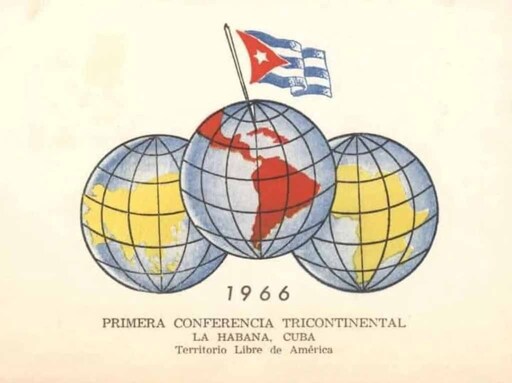
According to the organizers, this twentieth edition commemorates the event held in Havana six decades ago and prioritizes the contributions of the Global South with the aim of stimulating important analyses of the event and its relevance to anticolonialism, antiimperialism, and decolonization.
The Centre for Research on Cuba and the Cuba Research Forum emerged from a collaboration between the University of Wolverhampton and the University of Havana (UH) in 1998, an agreement later adopted in 2003 by the University of Nottingham.
This year, 43 panels are scheduled with presentations by 170 speakers from nearly one hundred universities and research centers across all continents.
The international congress “60 Years After the Tricontinental Conference: Context, Impact, Legacy, and Future” will be held until Wednesday, January 14.
From its initial announcement to its current convening, it has taken on greater significance given the new landscape and current and unfolding regional and global events.
The Tricontinental Conference, held in Havana in January 1966, brought together more than 500 delegates from over 80 countries and colonies of the Third World, now called the Global South, as a response from the peoples of Africa, Asia, and the Americas to colonialism and imperialism. Leaders such as Salvador Allende, Amilcar Cabral, and Cheddi Jagan participated.
jdt/jav/ro/jqo
The post Cuba discusses state of Tricontinental on its 60th anniversary first appeared on Prensa Latina.
From Prensa Latina via This RSS Feed.