

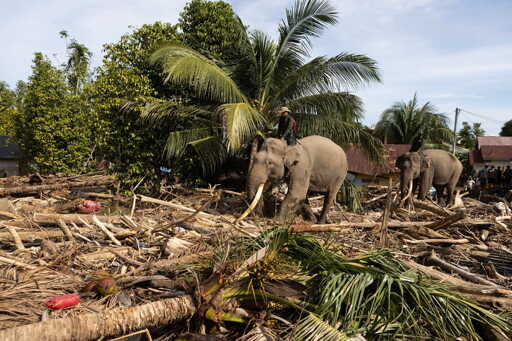
It was 27 December 2004. I was sitting at my computer in my office in Jakarta, Indonesia, my mind busy with plans for the New Year party I had organized with friends in the city, when my phone started ringing nonstop. First came a call from colleagues, frustrated that our North Sumatra office wasn’t picking up. Then others told me to check the news online. What I had expected would be an exciting end-of-year celebration slowly revealed its darker reality. A megathrust earthquake had triggered a massive tsunami that devastated Aceh in Sumatra. Officials estimated that more than 200,000 people died. In November 2025, the nightmare returned. The 2025 wet season began earlier than usual in Indonesia. In September, the Meteorology, Climatology, and Geophysics Agency warned that hydrometeorological hazards, including floods and landslides, could strike parts of the country, with November to December identified as the peak rainy season for Sumatra and Kalimantan. Most people did not take the warning seriously. Videos of urban flooding circulated on social media. But one eerie video caught my attention on 26 November 2025. The blurry footage showed dozens of people squatting on a forested hill in heavy rain, wrapped in makeshift raincoats. “Please help us. We are in the middle of the forest, surrounded by landslides,” the person recording shouted, just before the phone network died. A day earlier, on 25 November, more than 50 people had been trapped in a forested area of Tapanuli, North Sumatra, for two nights after floods and…This article was originally published on Mongabay
From Conservation news via This RSS Feed.