

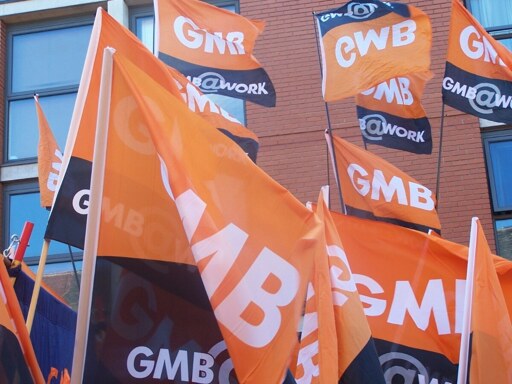
Trade union the GMB is in the midst of a brewing conflict between senior staffers. It centers on sexism claims made by two women on the leadership team – one of whom was recently dismissed for making racist comments.
Back in 2020, an independent report from Karon Monaghan KC concluded that GMB harboured an “institutionally sexist” culture. Since then, the union has made attempts at reform – against which the new allegations will land a worrying blow.
The news comes ahead of the votes for the union’s new general secretary in May. The incumbent, Gary Smith, will face at least one opponent following expressions of interest gathered over December.
‘Zero tolerance to any form of discrimination’
Of the two women who made the allegations against the union, the first was recently fired. Following her dismissal, she sent an email to GMB’s entire central executive committee.
She alleged that her sacking was motivated by revenge, given that she’d submitted complaints of bullying and harassment several months beforehand. Significantly, she named Smith and other senior men on the team within the complaints. She also made claims regarding contraventions of governance within the union.
The Guardianreported that GMB is now facing an unfair dismissal claim from the former staff member. However, GMB claimed that her sacking wasn’t related to the harassment claims, but rather because she had made racist comments. In fact, a statement from the union held that she was:
dismissed from our employment due to a breakdown in trust and confidence, including matters arising from serious grievance relating to racism, with the complaints made against her by numerous members of staff being fully upheld.
Following legal action at the high court, nearly 700 files were returned to GMB by [her]. [She] had held this data in breach of contract and, despite numerous requests to return it, only did so when legal action was commenced. The GMB data returned related to numerous individuals, including multiple junior members of staff who bravely raised concerns about her conduct during employment with the union.
GMB also stated that it had investigated the staff member’s harassment claims, but none were upheld. It added that:
GMB has a zero tolerance for any form of discrimination, including racism, and we have acted swiftly in all matters where it is raised.
However, the former staffer’s Unite representative challenged GMB’s claims:
Our member was dismissed with no investigation and no hearing. An investigation and hearing, as set out in Acas guidance, is the minimum we would expect from any employer. The allegations have been denied throughout and are now the subject of an employment tribunal claim.
GMB: ‘rotten at the root’
A second woman on the senior leadership team also stated that she emailed the central committee to report harassment and bullying from union leadership. However, unlike the previous complainant, this second staffer is still in GMB’s employ – though she is now on sick leave.
The second staffer reportedly informed the committee that the behaviour of senior staff members was no longer tolerable. The Guardianreported that she claimed:
that the union was rotten at the root and being damaged by the actions of those at the top.
As with the previous allegations, GMB held that it had investigated the allegations, but hadn’t upheld them. The union stated that:
GMB does not comment on matters relating to individual employees and has a duty to ensure staff wellbeing and confidentiality. We can confirm that whistleblowing complaints raised by a senior member of staff were investigated thoroughly over a three-month period in line with GMB’s policies and procedures.
The investigation concluded that the allegations were not substantiated and found no evidence of wrongdoing. GMB takes all complaints seriously and remains committed to robust governance and fair process.
The two complaints against GMB, and the unfair dismissal claim, come 6 years after the Monaghan report on institutional sexism within the union. As of August 2025, a leaked follow-up report showed that just 11 of Monaghan’s 27 recommendations had been fully implemented.
Featured image via the Canary
From Canary via This RSS Feed.