

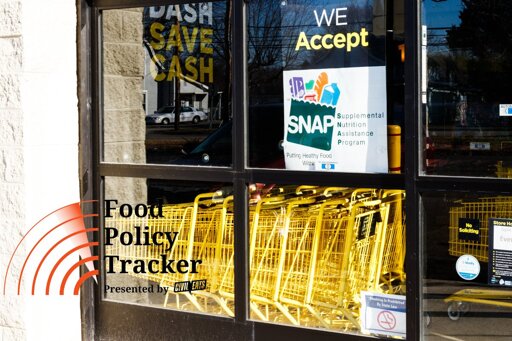
January 5, 2026 – Residents in five states are now restricted from using federal food assistance for soda, candy and other foods, after waivers signed by the U.S. Department of Agriculture (USDA) began Jan. 1.
Food restrictions on purchases made through the Supplemental Nutrition Assistance Program (SNAP) started last week in Indiana, Iowa, Nebraska, Utah, and West Virginia. So far, 13 additional states have similar restrictions set to take effect later this year.
The variability of each state’s new restrictions are creating concerns and complexity for the retailers and grocers administering these shifts. That’s because each state varies slightly in its restrictions and definitions.
For example, West Virginia’s waiver restricts soda, which it describes as a carbonated drink that contains water, a sweetener, and flavoring. In Iowa, which is considered to have the most restrictive waiver, SNAP recipients can now only use benefits for foods and beverages not subject to the state sales tax.
Under the Iowa waiver, SNAP users can buy a Twix bar because it contains flour – which is not taxable – but not a Snickers bar, according to the Food Research and Action Center. Other non-taxable foods include whole foods like fresh produce. This restriction also includes new rules on prepared foods to determine whether those are eligible for SNAP. For example, fruit that is cut and packaged in store and sold out of the produce case is eligible, while a fruit cup served with a spoon attached is not, according to the state’s policies on taxable prepared food.
Since the waivers were initially signed, groups representing retailers and convenience stores have asked states and the USDA for more clarity, like a set list of products that fall under a state restriction.
So far, Oklahoma is the only state to provide such a list, which included about 18,000 items, according to a source in the retail industry.
On Dec. 30, the USDA did issue additional guidance to retailers on compliance and penalties related to these state restrictions. The agency set a 90-day grace period after the state implementation date before the agency begins enforcing the policies. After that point, if a retailer is found incorrectly allowing SNAP benefits for a restricted item, they will receive a warning letter after the first offense. With a second error, the retailer could be involuntarily removed from SNAP.
The National Association of Convenience Stores said the USDA’s release of guidance on such short notice raises “serious concerns” for SNAP retailers still updating their systems and training employees.
“This strict, two-strike penalty framework creates a real risk of driving retailers out of the program, which ultimately will limit food access for SNAP customers in the communities the convenience industry is proud to serve,” NACS said in a statement. (Link to this post).
The post SNAP Restrictions Take Effect in Five States appeared first on Civil Eats.
From Civil Eats via This RSS Feed.
You must log in or # to comment.
Yeah… something better snap… Soon. 😰
