

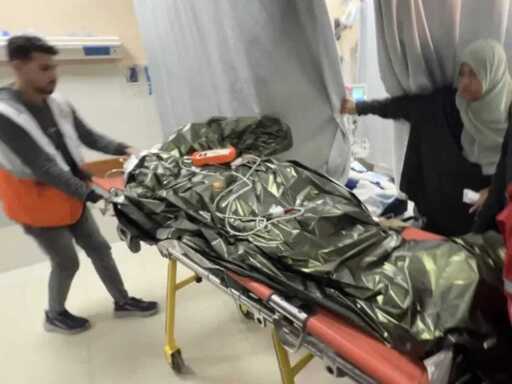
In the latest of a long series of violations of the ceasefire deal, Israel’s military has once again launched attacks on Gaza over the weekend. As reported by Al Jazeera:
At least 71,386 Palestinians have been killed and 171,264 others injured since the start of the war in October 2023, according to the latest figures from Gaza’s Ministry of Health. At least 420 people have been killed since the ceasefire was signed less than three months ago.
Repeated attacks by Israel
Israeli occupying forces (IOF) attacked Khan Younis on Sunday 4 January. Medical sources told Al Jazeera that the IOF killed at least three Palestinians – among them a 15-year-old boy and a fisherman. Meanwhile, east of the Bureij refugee camp, Israeli soldiers shot and injured several people.
In Gaza City itself, the IOF continued its destruction of the Tuffah district, demolishing homes and civilian infrastructure. Following its usual playbook, Israel claimed that it was targeting “terrorist infrastructure above and below ground”.
Likewise, Israel targeted the Shujayea and Zeitoun districts with artillery shelling, and used drones to bomb houses in the east of the city.
Humanitarian aid blockade targeting NGOs
Meanwhile, Israel has continued its blockade against international humanitarian aid agencies at Gaza’s borders. It also continues to deny the aid crisis within Palestine, in spite of reporting to the contrary from the UN and other aid workers on the ground.
Worse still, Israel has also started the process of banning several major NGOs from working in Gaza. These include both the Norwegian Refugee Council and Doctors Without Borders (MSF). The move follows on the heels of legislation targeting UNRWA, the UN aid agency for the Palestinian refugees.
UN secretary-general António Guterres called for proposed NGO ban to be reversed immediately. A spokesperson for the office of the secretary-general stated that:
The Secretary-General is deeply concerned by the Israeli authorities’ announcement to suspend the operations of several international non-governmental organizations in the occupied Palestinian territory.
He calls for this measure to be reversed, stressing that international non-governmental organizations are indispensable to life-saving humanitarian work and that the suspension risks undermining the fragile progress made during the ceasefire.
This announcement comes on top of earlier restrictions that have already delayed critical food, medical, hygiene and shelter supplies from entering Gaza. This recent action will further exacerbate the humanitarian crisis facing Palestinians.
UNRWA commissioner-general Philippe Lazzarini also echoed similar sentiments:
New Israeli restrictions on international NGOs are further compromising the humanitarian operation in the #Gaza Strip.
These measures come at a time when people in Gaza need more aid, not less, simply to survive. And they also undermine efforts to assist people affected by record levels of violence in the West Bank.
Coming in the wake of anti-UNRWA legislation, these restrictions are part of a troubling pattern of disregard for international humanitarian law and increasing impediments to aid operations.
This is a dangerous precedent.
Failing to push back against attempts to control the work of aid organisations will further undermine the basic humanitarian principles of neutrality, independence, impartiality and humanity underpinning aid work across the world.
Israel is carrying out its genocide in front of our eyes – not only by continuing to shoot and bomb the people of Gaza, in direct violation of the ceasefire agreement, but also by preventing humanitarian aid, food and medicines from entering the occupied territories.
Featured image via the Canary
From Canary via This RSS Feed.