

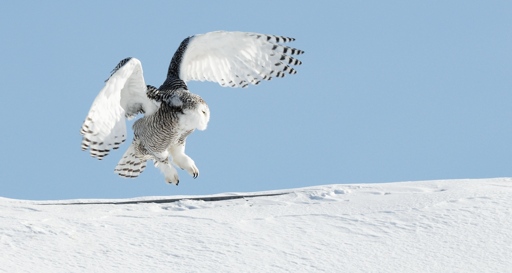
Countries under the international treaty to protect migratory animals have proposed increasing protections for 42 species. These include numerous seabirds, the snowy owl, several sharks, the striped hyena, and some cheetah populations. The Convention on the Conservation of Migratory Species of Wild Animals (CMS) aims to protect species ranging from butterflies and fish to birds and mammals that cross national borders for food and reproduction. Species listed in the convention’s Appendix I are considered to be in need of strict protection across their range countries, while those in Appendix II are thought to benefit from international cooperation. The CMS published its first ever report on the state of the world’s migratory species in 2024, noting that 399 species are globally threatened or near threatened but not yet listed under the CMS. Parties to the CMS recently proposed listing 42 such species and one subspecies in Appendix I or II. Zimbabwe proposed including populations of cheetah (Acinonyx jubatus) in Zimbabwe, Botswana and Namibia — considered part of the Southern African transboundary cheetah population — in Appendices I and II. Other cheetah populations are already included in Appendix I. Tajikistan and Uzbekistan proposed including the striped hyena (Hyaena hyaena), which undertakes wide-ranging movements across arid and semiarid environments, in Appendices I and II. Thirty-one species and one subspecies of birds have also been proposed for listing. These include Norway’s proposal to include the snowy owl (Bubo scandiacus) in Appendix II, noting that the owl has lost a third of its population in…This article was originally published on Mongabay
From Conservation news via This RSS Feed.