

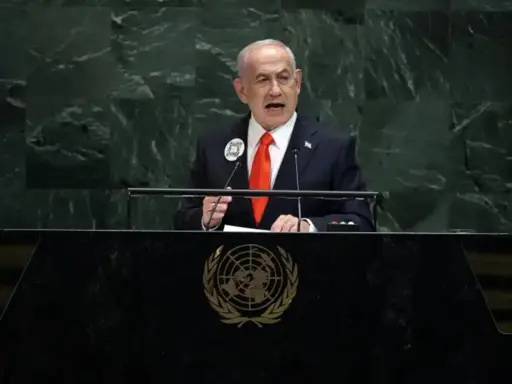
Despite the issuance of countless international resolutions in favour of the Palestinian cause and against Israel over the past decades, including those confirmed resolutions by the United Nations (UN), these resolutions remain locked away, without finding their way to implementation, in light of the Israeli occupation’s continued policies of obstruction and circumvention of international legitimacy.
Israel ignoring UN resolutions
These resolutions cover fundamental issues relating to the inalienable rights of the Palestinian people, foremost among which is the right of return for refugees in accordance with Resolution 194, the right to self-determination, and permanent sovereignty over natural resources, in addition to resolutions confirming the illegality of the Israeli occupation and the need to end it based on the opinions of the International Court of Justice.
International resolutions also included explicit calls for a ceasefire, the delivery of humanitarian aid, the protection of civilians, and withdrawal from occupied territories, including Resolution 2803, which provided for arrangements to stop the aggression and establish stability mechanisms. However, these provisions have not been effectively implemented on the ground.
In the same context, international conferences have repeatedly approved a road map for the establishment of a Palestinian state. However, the occupation continued to undermine these efforts by imposing new realities, escalating settlement activity, and committing war crimes in the Gaza Strip, the West Bank, and Jerusalem.
The failure to implement these resolutions reveals the absence of enforcement mechanisms and international political will, with legal texts becoming a mere formality, while Israel continues to evade accountability amid clear double standards in international standards compared to the international community’s handling of other conflicts.
Back in the spotlight
Recent developments indicate that global public pressure and the expansion of the international solidarity movement have been the most prominent factors in bringing these resolutions back to the forefront, pushing some countries to recognise the State of Palestine and take action on the path of international justice, including the International Criminal Court.
Nevertheless, despite their legal and political importance, these resolutions remain incomplete unless they are translated into practical steps, including the imposition of sanctions, the activation of international accountability tools, the protection of civilians, and the transformation of international legitimacy from suspended texts into a tangible reality that ends the occupation and guarantees the rights of the Palestinian people.
Featured image via the Canary
By Alaa Shamali
From Canary via This RSS Feed.