

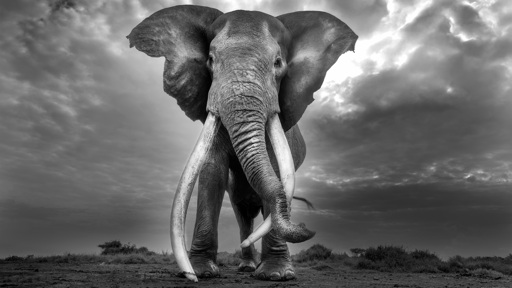
The death of a well-known wild animal is an odd kind of news. It is intimate, because so many people feel they have met the creature through photographs and video. It is also impersonal, because the animal has no public life beyond what humans project onto it. For elephants, that tension is sharpened by history. Their bodies have been turned into luxury goods, their habitats into development sites, and their survival into a test of whether conservation can work at scale. That is why today’s news from Kenya traveled quickly. Craig, the Amboseli bull famous for tusks that nearly brushed the ground, died at the age of 54. Conservation groups and wildlife authorities said he died of natural causes after showing signs of distress overnight, with rangers staying close by. His final hours seemed to reflect age, not violence: intermittent collapsing, short attempts to stand and move, and evidence that he was no longer chewing properly as his last molars wore down. For an elephant, teeth often write the closing chapter. Craig was not obscure. He was, by most accounts, one of the most photographed elephants in Africa, and perhaps the best-known “super tusker” alive—one of the rare bulls whose tusks weigh more than 45 kilograms each. He was also known for temperament: calm around vehicles, patient in the presence of cameras, and unusually tolerant of the attention that followed him. That quality, as much as the ivory he carried, helped make him a symbol of what protection can look…This article was originally published on Mongabay
From Conservation news via This RSS Feed.