

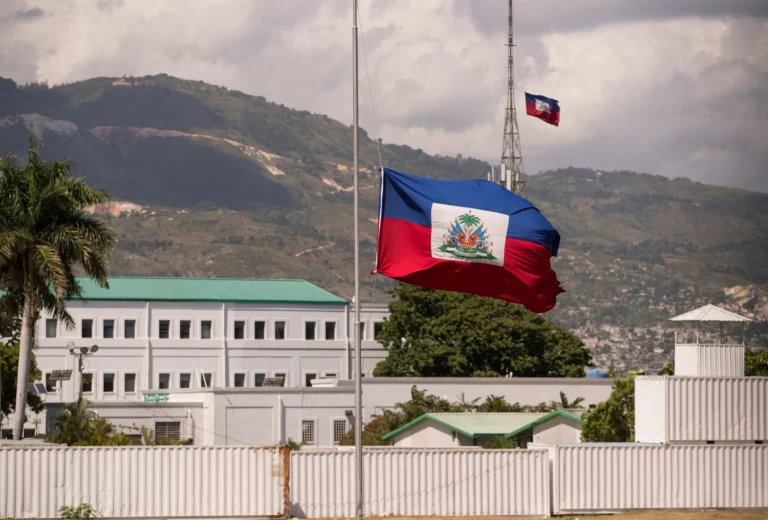
On January 1, 1804, after militarily defeating the imperial powers of France, England, and Spain, the Haitian people founded the world’s first Black republic and definitively abolished slavery.
This process, led by figures like Toussaint Louverture, not only represented a military victory in the colony of Saint-Domingue, but also exposed the hypocrisy of the French Revolution by taking the ideals of equality and liberty to their ultimate consequences, including the dehumanized majorities affected by structural racism.
RELATED:
The Culinary Richness of Haiti: Tradition, Identity, and Resistance
This historic date serves as a reminder that the international system never forgave Haiti’s audacity in achieving its sovereignty independently. Following independence, France imposed a colonial indemnity that indebted the nation for over a century, forcing the country to pay for its freedom and inaugurating a form of economic domination that persists under new guises.
In this sense, intellectuals like Jean-Louis Vastey denounced at the time that the supposed barbarity did not reside in the rebels, but in the colonial order that reduced human beings to mere commodities. Therefore, the historical punishment against Haiti is both material and symbolic, attempting to erase this milestone from the official narratives of Western thought.
RELATED:
CARICOM Calls for Stronger Global Support for Haiti
On this new anniversary, the reality of Haiti cannot be understood as that of a failed state, but rather as that of a nation punished for its historical resistance to plunder and tutelage. The current external interventions and occupying forces represent a continuation of the siege that seeks to control a people who dared to be the uncomfortable mirror of modernity.
For the Global South, commemorating January 1, 1804, is an act of justice toward Latin America’s first independence and a reminder that true sovereignty is only possible when the chains of colonialism and racism imposed by centers of power are broken.
The commemoration of Haiti’s independence in 2026 takes place in a context where the Caribbean continues to be the stage for the imperial ambitions of the Donald Trump administration. The Haitian Revolution is the fundamental precedent for the integration of peoples and the anti-colonial struggle that today unites nations like Venezuela and Cuba under the ideal of self-determination.
The systematic punishment of the Haitian people, through historical financial blockades and military occupations, is the same recipe that imperialism applies against any project of social transformation that chooses to follow a path without foreign tutelage in our region. Haitian sovereignty is an outstanding debt of humanity and a pillar of the dignity of the Global South in the face of the hegemonic North’s model of domination.
True Latin American and Caribbean integration will only be complete when Haiti’s right to forge its own destiny is recognized and upheld, free from the colonial legacy that still seeks to exact its toll on the first nation to embrace equality to its fullest extent.
From teleSUR English via This RSS Feed.