

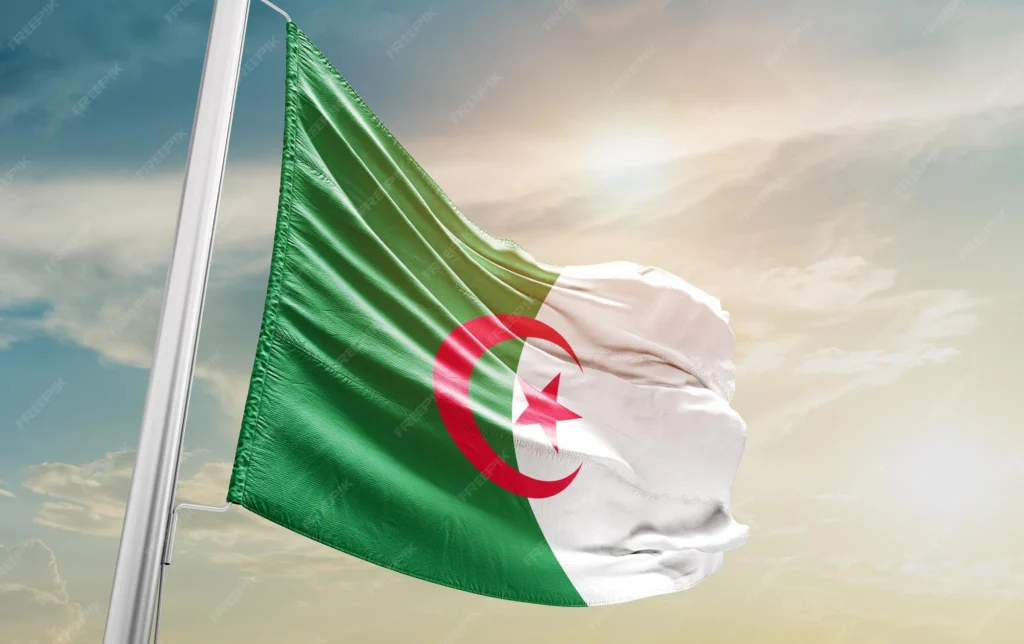
The Algerian Parliament unanimously passed a law criminalizing French colonial practices perpetrated between 1830 and 1962, demanding recognition and reparations from Paris for the state crime committed by the European country.
This historic event, described by the coordinator of the Memory Commission, Mohamed Lahcen Zeghidi, as “a historic moment,” comes at the height of a serious diplomatic crisis between the two countries.
RELATED:
Israeli Blockade Amid Winter Worsens Humanitarian Crisis in Gaza
The legislation, based on “principles of international law,” details an extensive list of crimes attributed to the French occupation, classified as serious offenses, including aggression against the state, homicide, torture, rape, racial discrimination, plundering of resources, nuclear testing in the Sahara, and the use of prohibited weapons.
During the legislative process, the Minister of the Mujahideen, Abdelmalek Tachrift, clarified that the law does not target the French people “nor does it seek revenge.” Its specific demands are the official recognition of the crimes, the release of minefield maps, and compensation for the victims of nuclear tests.
In addition to the demands against France, the text establishes severe domestic sanctions. It penalizes with five to ten years in prison and fines any media, academic, or political activity that glorifies, justifies, or denies the criminal nature of colonization.
This law represents Algeria’s most formal and robust effort to force French recognition, although its international reach is limited, as it cannot legally bind France, a country that has systematically avoided an official apology and the concept of reparations.
France continues to refuse to recognize the colonial genocide. In this regard, the French Foreign Ministry has described Algeria’s legitimate proposal as “manifestly hostile, both to the desire to resume Franco-Algerian dialogue and to calm work on issues of historical memory.”
France’s position merely highlights President Emmanuel Macron’s “efforts” regarding “historical memory.” In this respect, the ministry’s spokesperson, Pascal Confavreaux, emphasized that France “did not intend to comment on Algerian domestic politics,” but could only deplore such an initiative. He underscored “the magnitude of the work undertaken by President” Macron regarding the memory of colonization through a joint commission of French and Algerian historians.
The ministry stressed that it continues working “to resume a rigorous dialogue with Algeria that can address France’s priority interests,” especially “with regard to security and migration issues.”
France brutally ruled Algeria between 1830 and 1962, implementing a colonial system characterized by torture, enforced disappearances, massacres, and economic exploitation. Mass killings, large-scale deportations, and the systematic marginalization of the country’s indigenous Muslim population were also documented.
The war of independence, which lasted from 1954 to 1962, left deep scars on Algerian society. Algeria estimates that the death toll during this conflict reached 1.5 million, a figure that underscores the magnitude of the violence and the resilience of the Algerian people.
From teleSUR English via This RSS Feed.