

Its cancellation was political, Journalist Alfonsi denounced.
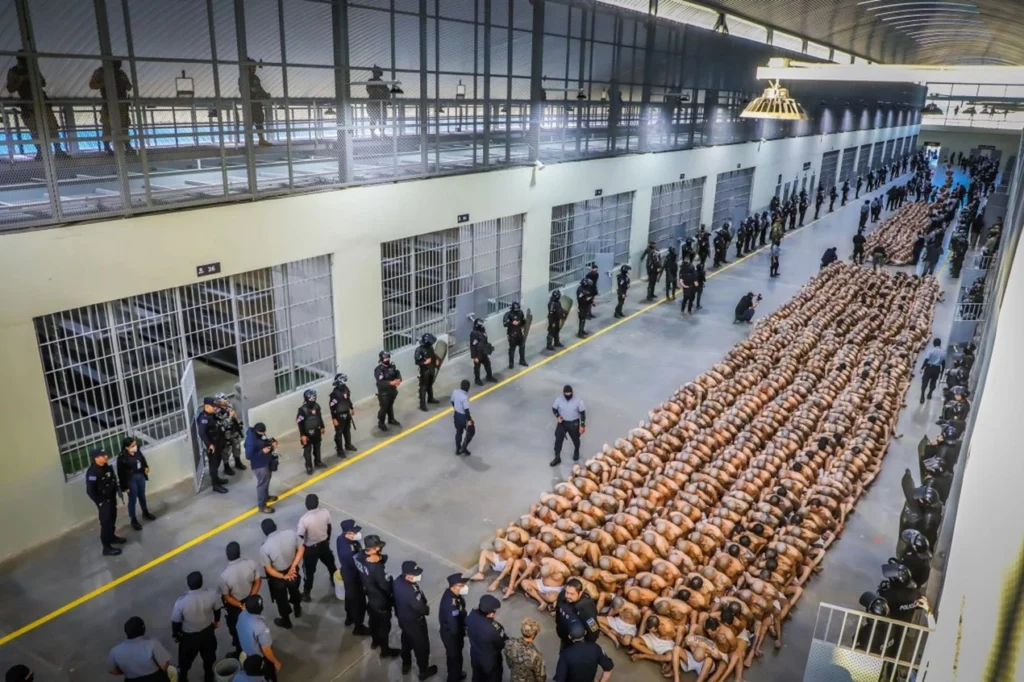
On Sunday, the CBS TV network pulled down the report “Inside CECOT” hours before its scheduled broadcast in the United States. It was part of their ’60 Minutes’ program, and it documented the torture, sexual, and physical abuse at the Salvadoran prison.
RELATED:
U.S. National Secretary Deported Venezuelans in Defiance of a Court Order
CBS editor-in-chief Bari Weiss justified the decision by saying that additional context and more interviews with officials in the administration of U.S. President Donald Trump were needed, including Stephen Miller, former White House advisor and architect of the mass deportation policy.
Sharyn Alfonsi, the journalist who worked on the report, argued that the story had been reviewed five times and approved by lawyers and the CBS Standards and Practices department. She denounced that the cancellation was political rather than editorial.
However, the report was broadcast in Canada on Global TV, the network that holds the rights to 60 Minutes in that country, and remained available for two hours before also being taken down. The report quickly went viral on social media through clips shared by users.
Previously, human rights defenders denounced that Venezuelans deported from the U.S. to El Salvador were subjected to torture, sexual violence, and systematic ill-treatment at CECOT, a mega-prison built for gang members.
You can watch the 60 minutes CECOT video here:https://t.co/blLwnf1pOy
— Star Cheeses (@StarCheesee) December 23, 2025
The Trump administration, in agreement with Salvadoran President Nayib Bukele, transferred 252 Venezuelan migrants between March and April. They were accused, without evidence, of belonging to the Tren de Aragua criminal group, designated as a terrorist organization by the United States.
According to human rights international organizations, the U.S. government paid El Salvador millions of dollars to arbitrarily detain Venezuelans, who were beaten almost daily and held for four months until their repatriation in July through a prisoner exchange between Washington and Caracas.
The abuses were not isolated incidents, but rather systematic human rights violations, including incommunicado detention, insufficient food, and precarious hygiene conditions.
Researchers interviewed 40 detained Venezuelans and another 150 people and documented sexual violence, enforced disappearances, and extreme overcrowding with ten people per windowless cell.
The United States plans to provide military aid to Ukraine. pic.twitter.com/xZi7TGXvzJ
— teleSUR English (@telesurenglish) December 23, 2025
teleSUR: JP
Source: Univision – DW
From teleSUR English via This RSS Feed.