

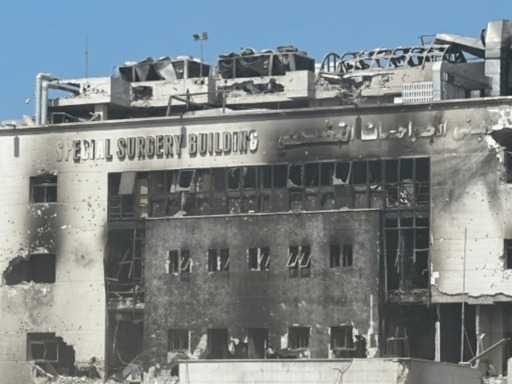
Two years of genocide and unprecedented bloodshed in Gaza are far from a distant memory, as a retributive blockade imposed by Israel deepens local hardships. This has led to a severe shortage of medicine, medical supplies, and surgical materials – paralysing a crippled health system – unable to deliver diagnostic and therapeutic services.
Medical shortage threatens the lives of thousands in Gaza
Over 320 essential medicines are out of stock in Gaza, causing a 50 percent shortage, according to the Gaza-based Ministry of Health.
An additional 710 medical consumables have been depleted, reflecting a 70 percent shortage. These shortages include vital items like medications, antiseptic wipes, and gauze. Laboratory tests and blood bank supplies are down by nearly 60 percent.
Emergency services are hit hardest, with critical shortages of intravenous fluids, IV antibiotics, and painkillers.
As a result, 200,000 patients could lose emergency care, 100,000 may miss surgical services, and 700 could be deprived of intensive care.
Cancer and dialysis denied treatment
650 dialysis patients have been deprived due to shortages of kidney care supplies.
There is also a 70 percent shortage of oncology medications, leaving 1000 cancer patients unable to complete treatment. This has caused disease progression, and a number of patients have died because of medication shortages. Even palliative pain relief medications for cancer are unavailable
More than 60 percent of healthcare medications are unavailable, and the limited availability of supplies do not meet patient needs.
Gaza’s Ministry of Health says, that more than 288,000 patients are at risk of severe health relapses, including strokes and heart attacks. This is because there are no diagnostic or therapeutic interventions currently available for these conditions, and means these patients are “at imminent risk of death”.
Critical diagnoses and treatments no longer possible
Diagnosing and treating heart conditions, including open-heart surgeries, have come to a complete halt in Gaza due to the unavailability of essential medications and supplies.
Additionally, 99 percent of scheduled orthopaedic surgeries have been suspended because of shortages in fixation devices and other critical materials.
Basic medicines for routine procedures, such as eye dilation drops, are also in short supply, putting specialized eye surgeries at risk of being canceled.
Nearly 60 percent of essential laboratory tests are unavailable, including vital blood counts, electrolyte tests, bacterial cultures, and assessments needed for patients with kidney failure.
Deliberate Israeli restrictions threaten total healthcare collapse
Less than 30 percent of monthly needs are currently entering Gaza. This is because the Israeli occupation continues to restrict medical supply trucks crossing the border. But even items that manage to enter the enclave often fail to meet the needs of the population, in type and quality.
Medical supplies are essential, to save the lives of hundreds of sick and wounded Palestinians. They are currently deprived of medication and prevented from travelling outside the Strip to complete their treatment.
Between the start of the ‘ceasefire’, on October 10, and 18 December, ‘Israel’ has killed 394 Palestinians, and injured 1075. This brings the casualty toll among Palestinians, since October 7, 2023, to 70,668 fatalities and 171,152 injuries. Only 260 patients, along with 800 companions, have been evacuated since the ‘ceasefire’. More than 18,500 patients, including 4,096 children, are still requiring medical evacuation.
In its latest appeal, the Ministry of Health in Gaza is calling for urgent intervention to revive what remains of the healthcare system.
This includes urging the Israeli occupation to allow the entry of essential supplies to replenish life-saving medical resources in hospitals and healthcare centers. Any delays, the ministry warns, could lead to the paralysis of what remains of medical care services. Gaza’s entire healthcare system could collapse as a result.
Featured image via OHCHR
By Charlie Jaay
From Canary via This RSS Feed.