

Authorities recommend the use of masks for those with symptoms and reducing contact with vulnerable individuals.
On Monday, the Peruvian Health Ministry reported that two children in Lima had been confirmed as the first cases of influenza A H3N2 subclade K, which activated national surveillance and monitoring protocols.
RELATED:
California Health Authorities Confirm H5N1 Avian Influenza in Raw Milk Sample
A day after the declaration of a national epidemiological alert, Deputy Health Minister Leonardo Rojas confirmed that both cases involve children residing in the capital, home to a third of the population.
One of the influenza cases is a one-year-old child treated at the Villa El Salvador Emergency Hospital, and the other one is an eight-year-old child hospitalized at the Hipolito Unanue Hospital. Rojas stated that both patients were discharged without complications.
Cesar Munayco, the director of the National Center for Epidemiology, Prevention, and Disease Control (CDC Peru), explained that subclade K originated in the United States and Australia, and spread to 32 countries.
The influenza subclade K is a highly transmissible viral respiratory illness that provokes symptoms such as high fever, cough, severe body aches. It also poses a serious risk for older adults, pregnant women, young children, and people with chronic illnesses.
Nasty flu A season coming: H1N1 is a nasty virus but H3N2 has a new emerging subclade (K) that evades antibody based vaccine immunity. Your T cell immunity will help keep you out of the hospital. H5N1 is still out there & capable of making that leap to human to human transmission pic.twitter.com/NpmbUXcbJx
— SharonBC,Canada (@SharonBurnabyBC) November 28, 2025
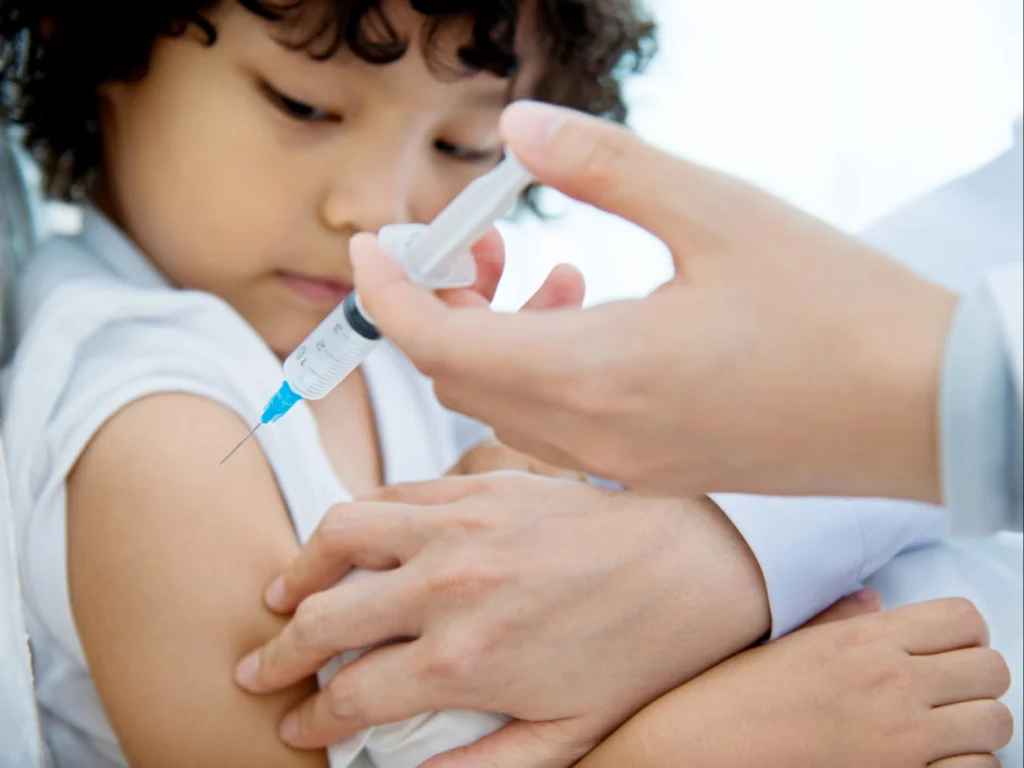
Although Munayco indicated that the risk of an epidemic is low because Peru is entering summer, he urged the reinforcement of the vaccination campaign for children under five and the elderly.
Health authorities recommended handwashing, ventilation in homes, mask use for those with symptoms, and reducing contact with vulnerable individuals as preventive measures against respiratory infections.
National measures in Peru include epidemiological surveillance, laboratory testing, immunizations, and health promotion, which ensure a timely response to potential respiratory outbreaks in the country.
The Pan American Health Organization (PAHO) called for strengthened vaccination in the Americas and emphasized that the genetic evolution of subclade K is part of natural viral variation. PAHO remarked on the importance of early diagnosis and the reporting of unusual respiratory events.
#FromTheSouth News Bits | Ecuador and Peru pledged to work together to combat organized crime and illegal mining, particularly along their shared border. pic.twitter.com/sfl1lJNysm
— teleSUR English (@telesurenglish) December 16, 2025
teleSUR: JP
Source: EFE – DW
From teleSUR English via This RSS Feed.