

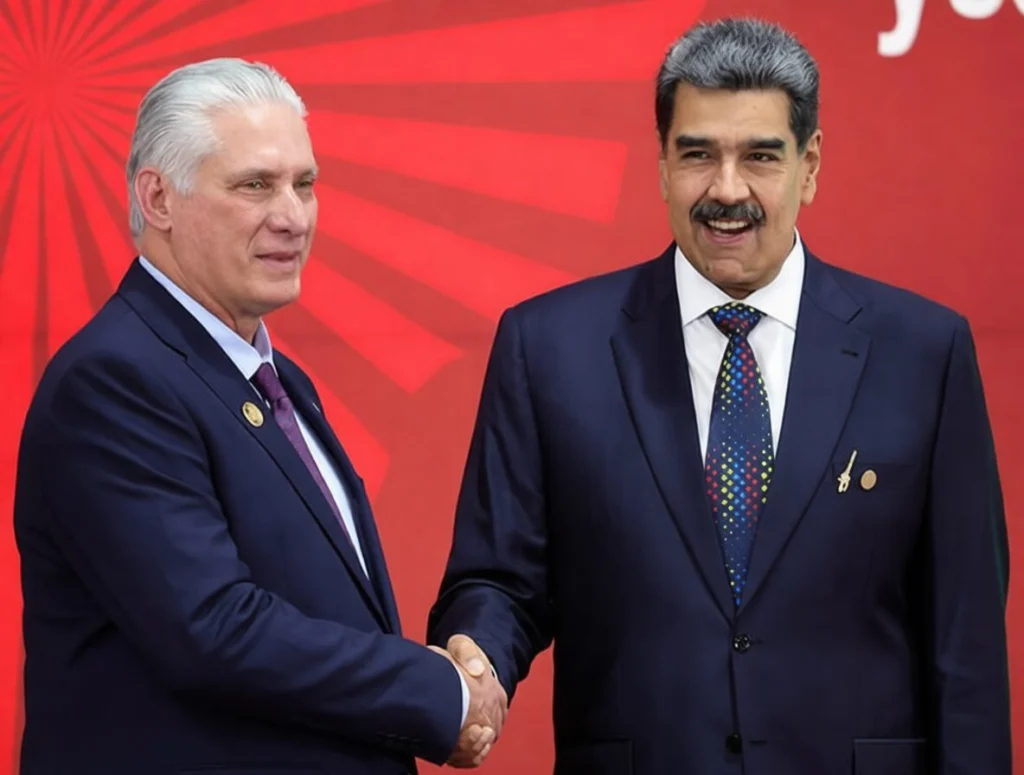
Celebrate the ALBA-TCP 21st anniversary as Maduro and Díaz-Canel honor Fidel and Chávez, condemning U.S. interference in a bold stand for multipolar unity and regional sovereignty.
Related: ALBA-TCP Denounces Lawfare Campaign Against Bolivian Former President Arce
21 Years of Unbreakable ALBA-TCP Unity: Maduro and Díaz-Canel Defy Imperial Threats
The ALBA-TCP 21st anniversary unfolds today in Havana, marking two decades of Bolivarian solidarity against imperialism. Presidents Nicolás Maduro of Venezuela and Miguel Díaz-Canel of Cuba lead the XXV Summit, honoring founders Fidel Castro and Hugo Chávez.
This milestone reinforces the alliance’s role in fostering peace, cooperation, and hope across Latin America and the Caribbean.
ALBA-TCP 21st Anniversary: Maduro’s Powerful Tribute
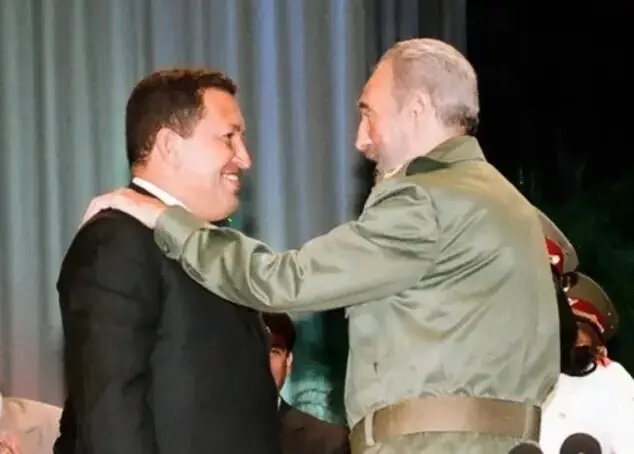
Maduro hailed the ALBA-TCP 21st anniversary as a “giant step” by Fidel and Chávez toward a multipolar world. He described members as “warriors of peace”, inspired by Bolívar, Martí, Sandino, Fidel, and Chávez.
No return to colonialism, Maduro declared, vowing resistance to hegemony.
- Telesur: ALBA-TCP reafirms Bolivarian unity on 21st anniversary
- EFE: Maduro y Díaz-Canel conmemoran 21 años de ALBA-TCP en La Habana
Díaz-Canel Warns of U.S. Aggression
At the ALBA-TCP summit, Cuban President Miguel Díaz-Canel invoked the legacy of “two giants”—Fidel Castro and Hugo Chávez—framing the gathering as a tribute to Fidel’s centenary while reaffirming the alliance’s anti-imperialist roots. He issued a stern warning against what he described as escalating U.S. aggression, denouncing Washington’s “irrational onslaughts” that include financing terrorism and spreading disinformation to destabilize allies like Venezuelan President Nicolás Maduro. Díaz-Canel portrayed these actions not as isolated incidents but as part of a coordinated campaign aimed at undermining sovereign nations that resist U.S. hegemony in the region.
He emphasized that Cuba, Venezuela, and Nicaragua remain the primary targets of this strategy, subjected to relentless economic sieges designed to cripple their economies and provoke internal unrest. These coercive measures, he argued, constitute a modern form of warfare that bypasses traditional military confrontation in favor of financial strangulation and psychological operations. Díaz-Canel called for regional solidarity and resilience, urging members to deepen integration and mutual support as a bulwark against external interference and to honor the revolutionary principles bequeathed by their shared ideological forebears.
- Al Jazeera: Latin American leaders mark ALBA’s 21 years amid U.S. tensions
- Xinhua: ALBA-TCP Summit reaffirms anti-imperialist stance
Geopolitical Context: Implications for a Multipolar Hemisphere
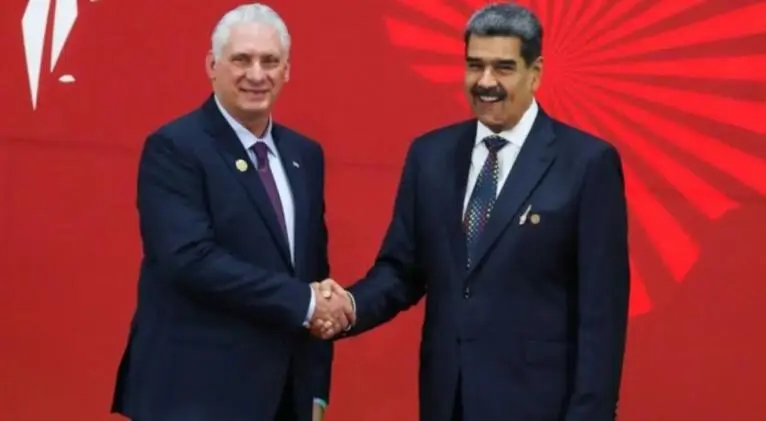
The 21st anniversary of ALBA-TCP arrives amid intensifying geopolitical realignments, underscoring the growing momentum toward a multipolar world order. As the United States continues to deploy unilateral sanctions against nations like Cuba, Venezuela, and Nicaragua—framing them as threats while sidestepping multilateral institutions—the alliance has reaffirmed its commitment to South-South cooperation as both a strategic necessity and a moral imperative. By prioritizing mutual aid, alternative trade mechanisms, and shared sovereignty over market-driven conditionalities, ALBA-TCP positions itself as a counterweight to the entrenched neoliberal architecture long dominated by Western financial institutions, offering a vision of regional integration rooted in solidarity rather than subordination.
This bloc’s advocacy for declaring Latin America and the Caribbean a “Zone of Peace” carries significant diplomatic weight, resonating beyond the hemisphere and shaping emerging alignments—particularly within BRICS and other Global South forums. By rejecting foreign military intervention and promoting indigenous frameworks for security and development, ALBA-TCP not only challenges U.S. hegemony in its traditional backyard but also contributes to a broader recalibration of global influence. In doing so, it amplifies the voice of the Global South in international institutions and fuels the ongoing shift from a unipolar system toward one defined by plural centers of power, diverse value systems, and cooperative multilateralism.
Summit Outcomes and Future Vision
Expect a new Declaration upholding ALBA’s principles against neoliberalism. It will affirm social justice as the path to peace and reject blockades.
The ALBA-TCP 21st anniversary solidifies its vanguard role for free peoples.
- Al Mayadeen: ALBA-TCP denuncia piratería estadounidense en su cumbre
- Cubadebate: Díaz-Canel en XXV Cumbre ALBA-TCP
- X Post by @NicolasMaduro: Celebrating 21 years of ALBA-TCP
- X Post by @DiazCanelB: ALBA, obra de Fidel y Chávez vive
From teleSUR English via This RSS Feed.