

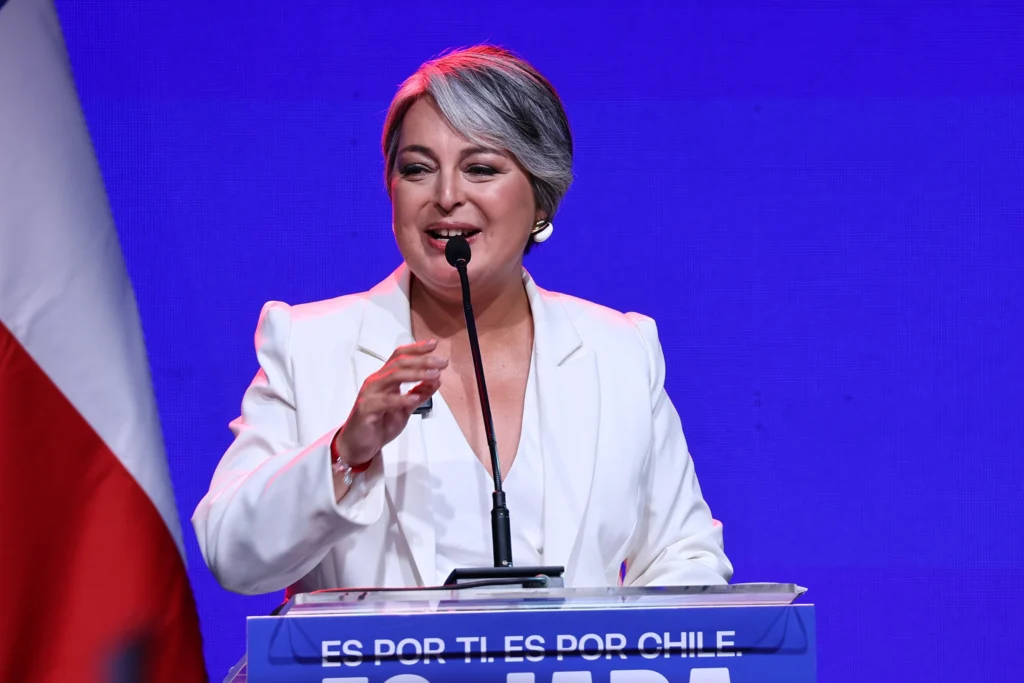
In Chile’s pivotal December 14 runoff, Jeannette Jara vs José Antonio Kast clash in a high-stakes fight for equity or austerity. Mandatory voting for 15.8M mobilizes voters amid inequality fears. Discover the stakes.
RELATED:
The Presidential Runoff in December To Shape Chile’s Future
Chile’s Tense Runoff: Jara vs Kast Battles for Nation’s Soul on Dec 14
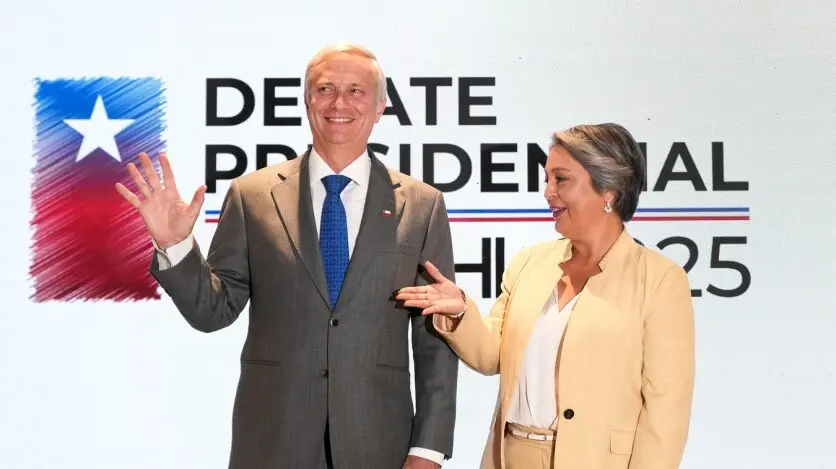
Chilean presidential candidates José Antonio Kast and Jeannette Jara during a debate. /X: @ASCOA
Chile Runoff Jara Kast on December 14, 2025, pits progressive Jeannette Jara against far-right José Antonio Kast in a battle defining the nation’s future. This isn’t mere politics—it’s a clash between equity and austerity. With mandatory voting for 15.8 million eligible voters, turnout surges, amplifying voices from 2019’s social unrest. The process is once again defined as a conflict between “two absolutely antagonistic national projects.”.
The stakes echo Chile’s post-dictatorship fractures, where demands for structural change collide with neoliberal revival.
On one side stands Jeannette Jara, the Communist Party candidate and former Labor Minister, representing a determined popular resistance and a path of expanded social rights.
On the other hand, is José Antonio Kast, the hard-right leader who promises a radical overhaul based on massive spending cuts, militarized borders, and a return to the orthodox economic model that has fueled decades of inequality.
🇨🇱 Chile will vote in a presidential runoff on Sunday between two sharply different candidates: Jeannette Jara, a communist backed by a broad left coalition, and Jose Antonio Kast, a devout far-right politico promising a hard line on security and migration ➡️… pic.twitter.com/dWpLfTmp47
— AFP News Agency (@AFP) December 12, 2025
Electoral Landscape and Voter Surge in Chile Runoff Jara Kast
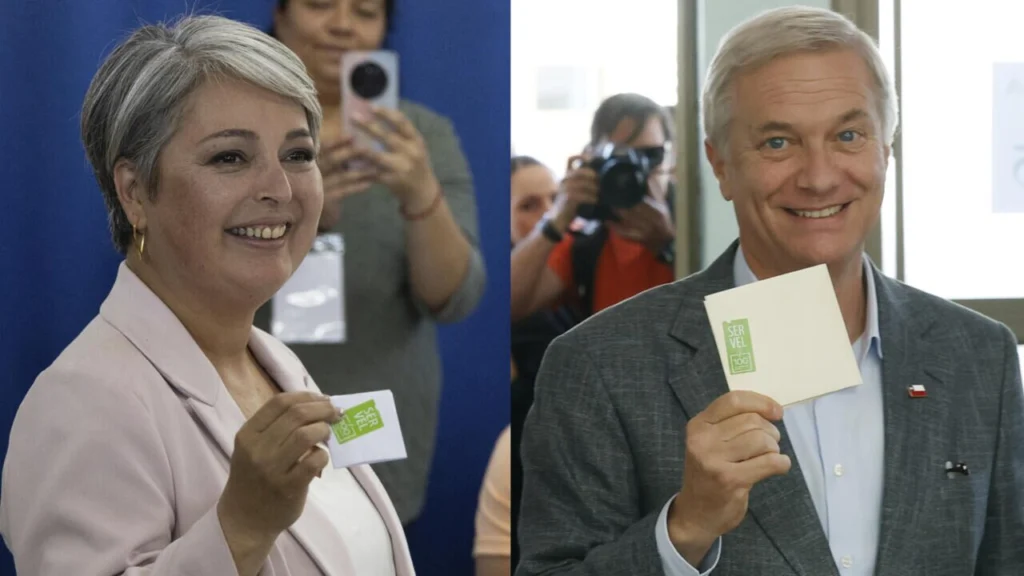
Jeannette Jara and José Antonio Kast during the 2025 Chilean presidential elections. / X: @FRANCE24
This runoff is unique because it is the first Chilean presidential election since 2012 to feature mandatory voting for all eligible citizens.
This key constitutional change significantly boosts the power of the popular sectors, which historically had lower turnout rates in voluntary elections.
Key Facts on the December 14th Runoff:
- Mandatory Voting: Voting is compulsory for all who are on the final electoral register in the national territory.
- Expected Voters: The final electoral register lists 15,779,102 eligible voters.
- Foreign Resident Vote: For the first time, all foreign nationals who have five years or more of temporary residence in Chile will also be able to vote, further expanding the electorate and its diverse political interests.
EFE: Chile’s Mandatory Voting Revolution
The Candidates: Two Polar Opposites

Chilean presidential candidates José Antonio Kast of the Republican Party, and Jeannette Jara of the Unity for Chile coalition party, shake hands on stage during their debate in Santiago, Chile, on Wednesday, December 3, 2025.
The runoff presents a stark ideological choice:
-
Jeannette Jara (Unity for Chile): A Communist Party member, she is the torchbearer for the governing left-wing coalition. Her campaign is centered on protecting and deepening the economic and social rights of the working class. She is a figure of genuine popular resistance, hailing from a working-class district of Santiago.
-
José Antonio Kast (Republican Party): A veteran politician of the far-right, Kast has successfully consolidated the conservative vote with a hardline message on crime and migration. He is running a campaign that emphasizes a radical restructuring of the state and a return to free-market fundamentalism. Kast has even sought to project an image of a statesman, going so far as to resign from his own party.
Chile’s second round of national elections will be held on December 14th.
A communist victory in Chile will affect U.S. geopolitical, economic, and national security interests.
In his latest, @pablogmailleta explains why Americans should watch carefully. pic.twitter.com/NWaK2RcOM7
— The American Mind (@theammind) December 12, 2025
Profile and Platform of Jeannette Jara: The Resistance with a Social Mandate
Jeannette Jara, the candidate for the Unity for Chile coalition, is a 51-year-old public administrator and a veteran member of the Communist Party (PCCh).
She is the standard-bearer for the government’s left-wing project and the first Communist Party candidate to reach a presidential runoff.
For the popular sectors, she carries the weight of Chile’s historical class struggle and represents a commitment to fundamental social transformation.
Her key strength is her successful tenure as Labor Minister in the current administration, where she pushed through landmark legislation. Jara’s campaign is consciously rooted in her working-class origins from a poor district of Santiago.
Jara’s Distinct Proposals: Social Rights and State Strengthening
- Consolidating Social and Labor Rights: Jara’s program is focused on reinforcing the social narrative and advancing the rights of workers and the elderly.
- Landmark Reforms: She highlights her success in legislating the reduction of the workweek to 40 hours and a major minimum wage increase.
- Pension Reform: Her top priority is the long-sought reform of the privatized pension system—a key legacy of the Pinochet dictatorship. She proposes a mixed system combining individual savings with a significant, new obligation for employer contributions.
- Economic Strategy: She advocates for a larger welfare state, raising the minimum wage, and adopting a more progressive tax system.
- Pragmatic and Institutional Security: Acknowledging that insecurity is a major voter concern, Jara’s approach contrasts sharply with Kast’s by emphasizing institutional strengthening over militarization.
- Gun Control: Her plan prioritizes stronger firearm controls and investing in policing and the prison system.
- Migration Balance: Her pragmatic approach on migration focuses on registering all foreigners to better manage the population and identify and expel those who are unregistered or commit crimes.
To secure victory, Jara is engaging in strategic moderation, attempting to “shake off the ‘specter of anti-communism’” and broaden her support among moderate and centrist voters through dialogue and a focus on her proven ability to achieve social change.
Profile and Platform of José Antonio Kast: The Neoliberal-Authoritarian Vision
José Antonio Kast, the Republican Party candidate, is more than just a right-wing challenger; he represents the resurgence of the most radical conservative ideology in Chile since the dictatorship.
An ultraconservative lawyer and three-time presidential contender, Kast has skillfully redirected his campaign focus from traditional family values to capitalizing on popular anxieties over crime, violence, and migration.
His rhetoric centers on a narrative of state inefficiency and the urgent need for a drastic course correction.
De-nazification is a long process — best to avoid in the first place.
“This coming weekend, Chile will witness another presidential election — the ninth since the U.S.-backed dictatorship of General Augusto Pinochet stepped down from power in 1990.” https://t.co/ol9GOdykgB pic.twitter.com/hNlRoe7gsK
— Peter Cronau (@PeterCronau) November 13, 2025
Kast’s Distinct Proposals: Shock Therapy and Iron Fist
- Economic Shock Therapy (Austerity): Kast promises an “emergency government” that will aggressively shrink the state. His core economic promise is a massive cut in public expenditure, aiming to slash $6 billion in spending in just 18 months. He proposes deregulation, lowering corporate taxes, and the large-scale dismissal of public servants he describes as “politically appointed”.
- Hardline Security and Militarized Borders: Kast’s “Relentless Plan” is a security-first platform, openly admiring figures like El Salvador’s Nayib Bukele. The focal point is a militarized response to crime and migration:
- Border Shield: Building a “border shield” with new fences and ditches, particularly along the northern border, to prevent irregular entry.
- Mass Deportation: A promise to deport 330,000 undocumented migrants.
- Prison Expansion: Lengthening sentences, limiting visitation rights, isolating gang leaders, and building 100,000 new prison spaces.
Ideological Contrast: Two Antagonistic National Projects
The clash between Jeannette Jara and José Antonio Kast is not just a standard political rivalry; it is a confrontation between two distinct and antagonistic national projects.
The December 14th runoff crystallizes the deep-seated ideological fractures that have defined Chile since the dictatorship.
- Economic Model: State vs. Market Fundamentalism
- Jara’s Vision (Social): Jara represents a decisive move away from the decades of inherited neoliberalism toward a stronger, more protective state. Her platform champions a larger welfare state, progressive taxation to fund social services, and robust labor protection. The successful pension reform she spearheaded as Labor Minister, introducing mandatory employer contributions, is the clearest signal of this shift, directly challenging the privatization core left by the Pinochet regime.
- Kast’s Vision (Neoliberal-Authoritarian): Kast demands an all-out reversal, calling for austerity measures and drastic cuts to the state apparatus. His desire to deregulate the economy and lower taxes for corporations and the wealthy is a direct commitment to the market fundamentalism that exacerbated inequality in Chile. His promise to slash $6 billion in public spending directly threatens essential social spending for the working class.
- Security Paradigm: Institutional vs. Militarized Force
- While both candidates acknowledge that insecurity is a top public concern, their solutions could not be more different.
- Kast proposes an iron-fist, militarized approach, openly admiring authoritarian figures in the region. His focus is on mass deportation, building high-tech fences and ditches, and dramatically expanding the prison system.
- Jara advocates for an institutional, state-led approach. She prioritizes investment in policing, strengthening the prison system, and addressing the root causes of crime through effective firearm controls and empowering the Public Prosecutor’s office against organized crime.
Security divides them: Jara’s institutional policing vs Kast’s militarized iron fist.
🇨🇱 – CHILE / ELECTION
🗳️ The second round of Chile’s election takes place tomorrow. Polls indicate stable voting intentions, with around 50% for Kast and 30% for Jara. pic.twitter.com/tv0VTeI76e
— NEXUSx (@Nexus_osintx) December 13, 2025
Geopolitical Context
The Chile runoff Jara Kast extends far beyond national borders, acting as a barometer for Latin America’s ideological tug-of-war. A victory for Jeannette Jara would invigorate progressive governments from Brazil’s Lula to Colombia’s Petro, reinforcing solidarity in forums like CELAC and UNASUR. It signals resilience against the far-right wave, countering isolationist policies that have fractured regional unity.
Conversely, José Antonio Kast’s triumph echoes Argentina’s Javier Milei and El Salvador’s Nayib Bukele, amplifying neoliberal-authoritarian models. This could destabilize Mercosur trade pacts, as Chile’s pivot toward austerity clashes with Brazil and Argentina’s welfare expansions. Migration pressures intensify, with Kast’s deportation plans straining borders shared with Peru and Bolivia, potentially sparking humanitarian crises.
Broader Latin American ripple effects include heightened tensions in the Andes, where Bolivia’s socialist leanings face right-wing encirclement. Jara’s win might revive stalled integration efforts, like Amazon environmental pacts; Kast’s could align Chile with U.S.-backed free-trade agendas, sidelining China-influenced infrastructure deals.
Globally, the outcome shapes U.S.-Latin America relations under shifting administrations. Washington watches closely: a progressive Chile bolsters anti-inequality narratives at the OAS, challenging IMF orthodoxy; a Kast presidency aligns with hawkish stances on Venezuela and Cuba, easing U.S. sanctions coordination but risking pink tide backlash.
In Europe, implications touch human rights watchdogs—Jara’s social reforms appeal to EU progressives, while Kast’s security rhetoric draws authoritarianism critiques from Amnesty International.
This high-stakes duel underscores Latin America’s crossroads: sustained equity or resurgent market fundamentalism with geopolitical aftershocks.
The Final Choice
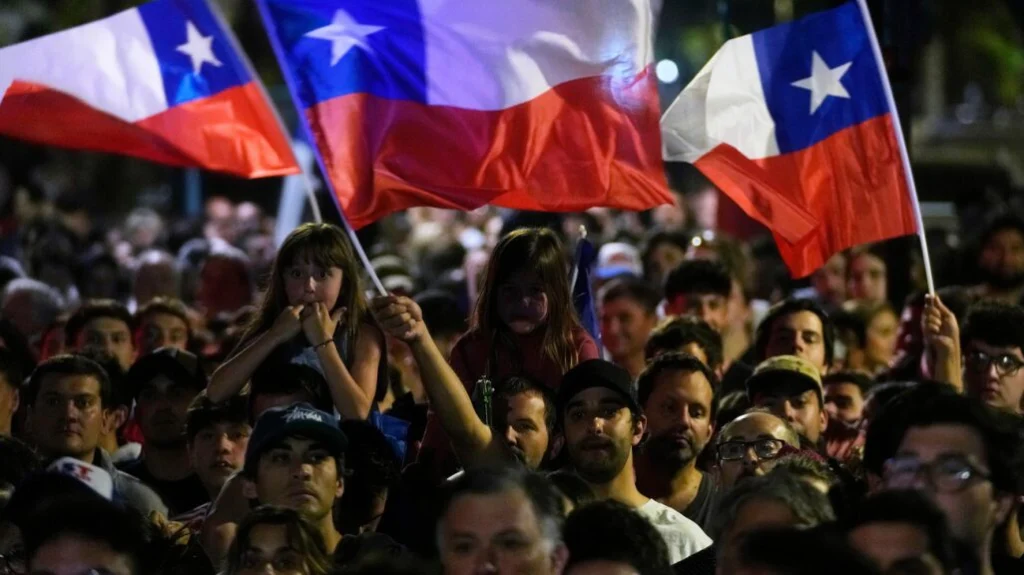
The December 14th runoff offers Chileans the most radical choice since the return to democracy. The result will determine the nation’s political, economic, and social direction for the next four years.
With mandatory voting ensuring high turnout, the outcome remains fiercely uncertain. The victor will be the one who best manages to convince the undecided and, crucially, the voters who chose centrist or populist candidates in the first round.
The result will not only shape the future of Chile but will send a powerful signal to the rest of Latin America about the endurance of the progressive wave against the rising tide of the far right.
From teleSUR English via This RSS Feed.