

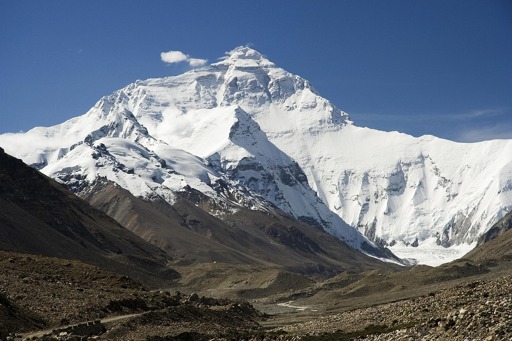
You’ve packed your gear, tightened your boots, and set your sights on Everest Base Camp. But along this legendary trail, it’s not just snow-capped peaks and fluttering prayer flags that await you, you’re walking straight into one of the most fascinating high-altitude ecosystems on earth.
For many trekkers, the Everest Base Camp (EBC) route is all about the mountains and culture. Yet the trail also weaves through Sagarmatha National Park, home to rare and remarkable wildlife. From colorful Himalayan birds to elusive mammals that have mastered life in thin air, the Everest region teems with life, if you know where to look.
Most trekkers focus on altitude, pacing, and logistics, often overlooking the biodiversity around them. By understanding which animals, you might spot (and when you’re most likely to see them), you’ll experience a deeper connection to the Khumbu and its natural heritage.
Whether you’re a nature lover, photographer, or curious adventurer, here’s your complete guide to wildlife on the Everest Base Camp trek.
What Makes the Everest Region a Unique Wildlife Habitat?
The EBC trail runs through Sagarmatha National Park, a UNESCO World Heritage Site stretching from lush forests at 2,845m to the icy edges of Everest at over 8,000m. This drastic range of altitude creates diverse ecosystems packed with unique flora and fauna.
Lower Elevations (Lukla to Namche Bazaar)
- Dense rhododendron, pine, and fir forests
- Habitat for musk deer, Himalayan monals, pheasants, and butterflies
Mid to High Elevations (Tengboche to Dingboche)
- Alpine shrubs and meadows
- Home to Himalayan tahr and snow pigeons
Upper High Altitude (Lobuche to Gorak Shep)
- Rocky, barren landscapes
- Himalayan marmots thrive; snow leopard territory
Sagarmatha National Park shelters over 200 species of birds and numerous mammals, many of them rare or endangered. Conservation efforts led by local Sherpa communities and international organizations help protect this fragile ecosystem, making the region a living sanctuary.
When Is the Best Time to See Wildlife on the EBC Trek?
Wildlife sightings along the Everest Base Camp trek vary significantly depending on the season, and choosing the right time can make a big difference in what you’re able to observe. Spring (March to May) is widely considered the best season for wildlife lovers. Forests bloom with rhododendrons, attracting pollinators, colorful birds, and active mammals. This is also when Himalayan monals, pheasants, and other species are most visible as they forage and display during their breeding season.
Autumn (September to November) is another excellent time, especially if you value clear views and steady weather. With the monsoon rains gone, the skies open up, making it easier to spot wildlife on faraway slopes. Animals are more active as they prepare for winter, and bird migration adds another layer of excitement for nature enthusiasts.
Winter (December to February) brings very cold temperatures and fewer sightings. Many animals either descend to lower elevations or enter hibernation. Although snow leopards may be slightly more active in winter, spotting one is still exceptionally rare. Only the most patient and lucky trekkers catch a glimpse.
Monsoon season (June to August) is the least recommended time for wildlife viewing. Thick vegetation, heavy rainfall, and dense clouds drastically reduce visibility. Trails become muddy, leeches are common in lower forests, and most animals are less active.
In short, if you want the richest and most rewarding wildlife experience on the Everest Base Camp trek, spring and autumn are the best seasons to plan your journey. These same seasons also offer the best wildlife visibility on the Manaslu Circuit Trek, making both routes ideal for nature-focused trekkers.
Common Mammals You Might See on the Everest Base Camp Trek
Himalayan Tahr
One of the most frequently spotted animals on the route.
Where to see: Namche, Tengboche, Dingboche
Look for: Herds grazing on steep slopes during early morning or late afternoon.
Musk Deer
Shy, solitary, and harder to spot, but their hoofprints give them away.
Where to see: Forested areas around Tengboche, Debuche
Fun fact: Males have long, fang-like teeth.
Himalayan Marmot
Playful, chubby, and very photogenic.
Where to see: Meadows around Lobuche, Gorak Shep
Behavior: Sunbathe, whistle loudly, and hide in burrows.
Snow Leopard (Extremely rare)
The “ghost of the mountains.”
Where to see: Remote slopes near Pheriche, Dingboche
Most likely: Only tracks or scat, actual sightings are extremely uncommon.
Birdlife on the Everest Base Camp Trek
With over 200 bird species, EBC is a paradise for birdwatchers.
Himalayan Monal (Danphe)
Nepal’s national bird; iridescent and beautiful.
Where to see: Namche to Tengboche in forested areas
Best time: Early morning.
Snow Pigeon
Common bird above 3,000m.
Where to see: Dingboche, Pheriche, Gorak Shep
Raptors (Griffon Vultures, Lammergeiers)
Often spotted soaring high above valleys.
Role: Clean up carcasses, crucial for the ecosystem.
Insects & Reptiles on the EBC Route
Due to high altitude, only a few species thrive here.
- Butterflies (painted lady, cabbage white) — mainly in lower forests
- Small lizards — occasionally seen warming on rocks
- Insect life becomes scarce above 4,000m
How to Respect Wildlife While Trekking
Respecting wildlife on the Everest Base Camp trail is essential for both your safety and the protection of the fragile Himalayan ecosystem. Always stay on designated trails to avoid disturbing natural habitats, and never feed wild animals, as this disrupts their natural behavior and can create dangerous situations.
Keep noise levels low so you don’t startle or stress nearby species, and maintain a safe, respectful distance whenever you encounter wildlife. Make sure to pack out all trash and follow Leave No Trace principles to minimize your impact on the environment. Above all, remember that you are a guest in their home, moving gently and responsibly ensures these animals continue to thrive for generations to come.
Wildlife Photography Tips for the Everest Trek
- Use a zoom lens (200mm or more)
- Carry spare batteries (cold drains power fast)
- Shoot early morning or late afternoon
- Use silent shutter mode if possible
- Never use flash
- Prioritize animal safety over the perfect shot
Wildlife photography on EBC is about patience, great shots often come when you least expect them.
Do You Need a Guide to Spot Wildlife?
While hiring a guide isn’t mandatory for spotting wildlife on the Everest Base Camp trek, it is highly recommended if you want to get the most out of the experience. A trained local guide can identify tracks, sounds, and subtle signs that most trekkers would easily miss.
They also understand animal behavior and know exactly where certain species are most commonly found, increasing your chances of meaningful sightings. Beyond spotting wildlife, guides offer valuable ecological insights and ensure you observe animals safely and ethically.
Choosing to trek with a guide not only enriches your overall wildlife experience but also directly supports local communities and conservation efforts in the Khumbu region.
Conclusion:
The Everest Base Camp trek isn’t just a journey through iconic Himalayan landscapes; it’s an invitation to witness some of the world’s most resilient wildlife. From charismatic marmots and shy musk deer to majestic vultures and the rare snow leopard, the trail is full of unforgettable encounters.
By trekking responsibly, observing quietly, and appreciating the fragile ecosystems of Sagarmatha National Park, you become part of a much bigger story: the protection and celebration of Himalayan biodiversity.
So, lace up your boots, pack your curiosity, and keep your eyes open. The mountains are alive, and they’re waiting to be discovered.
From Canary via This RSS Feed.