

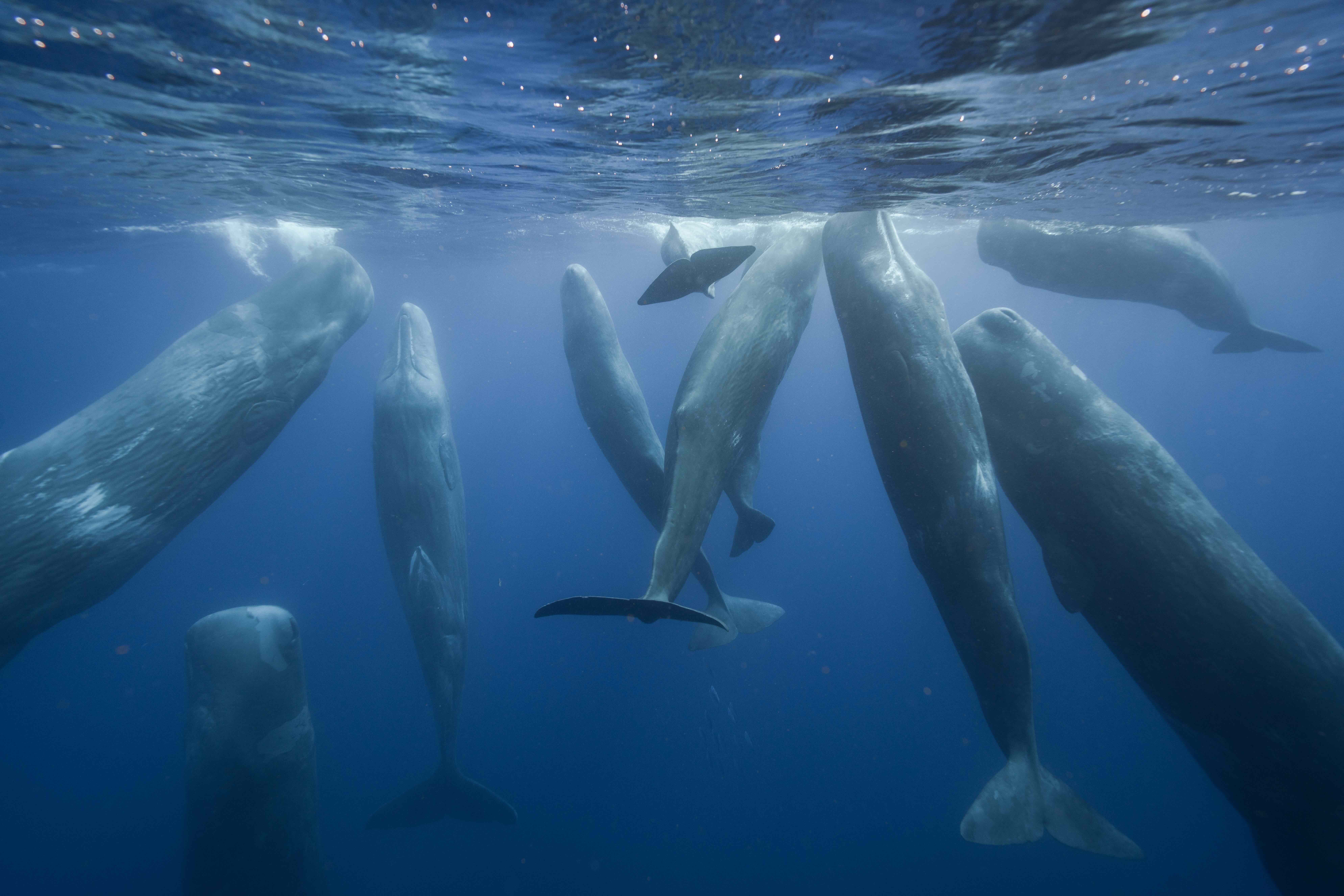
At the end of 2024, the Azores stood as a beacon of hope and a global leader in ocean conservation, having created the largest network of marine protected areas (MPAs) in the North Atlantic. The Azores safeguarded 30% of its waters — an expanse more than three times larger than Portugal’s landmass — years ahead of the global commitment to protect at least 30% of the global ocean by 2030 (30×30). This decisive action was praised both at home and internationally, with other countries and regions seeking advice from the Azores on how to follow suit. But in a world where major powers are retreating from crucial environmental commitments, the Azores now faces a pivotal test of its own. Early in 2025, a proposal to allow pole-and-line tuna fishing within areas designated as no-take was submitted to the Regional Assembly and is currently under discussion. This maneuver, if successful, risks undoing a monumental achievement. Crucially, half of this network is fully protected, banning all extractive and damaging activities, meaning it far exceeds the European Union’s mandate to fully protect at least 10% of its waters. Allowing industrial tuna fishing within the Azores’ fully protected areas would turn these areas into “paper parks” and defy their very purpose. Rays in the Azores. Image courtesy of Emanuel Goncalves / Oceano Azul Foundation. In other words, these areas would fail to meet the definition of “fully protected” set out in the strict standards established by the International Union for Conservation of Nature (IUCN)…This article was originally published on Mongabay
From Conservation news via This RSS Feed.